
How should buyers verify material sources and quality evidence?
Treat every material claim as a chain that must connect the ordered model to an approved specification, a traceable supply item and an applicable document. A country name, trade name, sample photo or old report cannot establish what will be installed in your project.
Where do the pod materials come from?
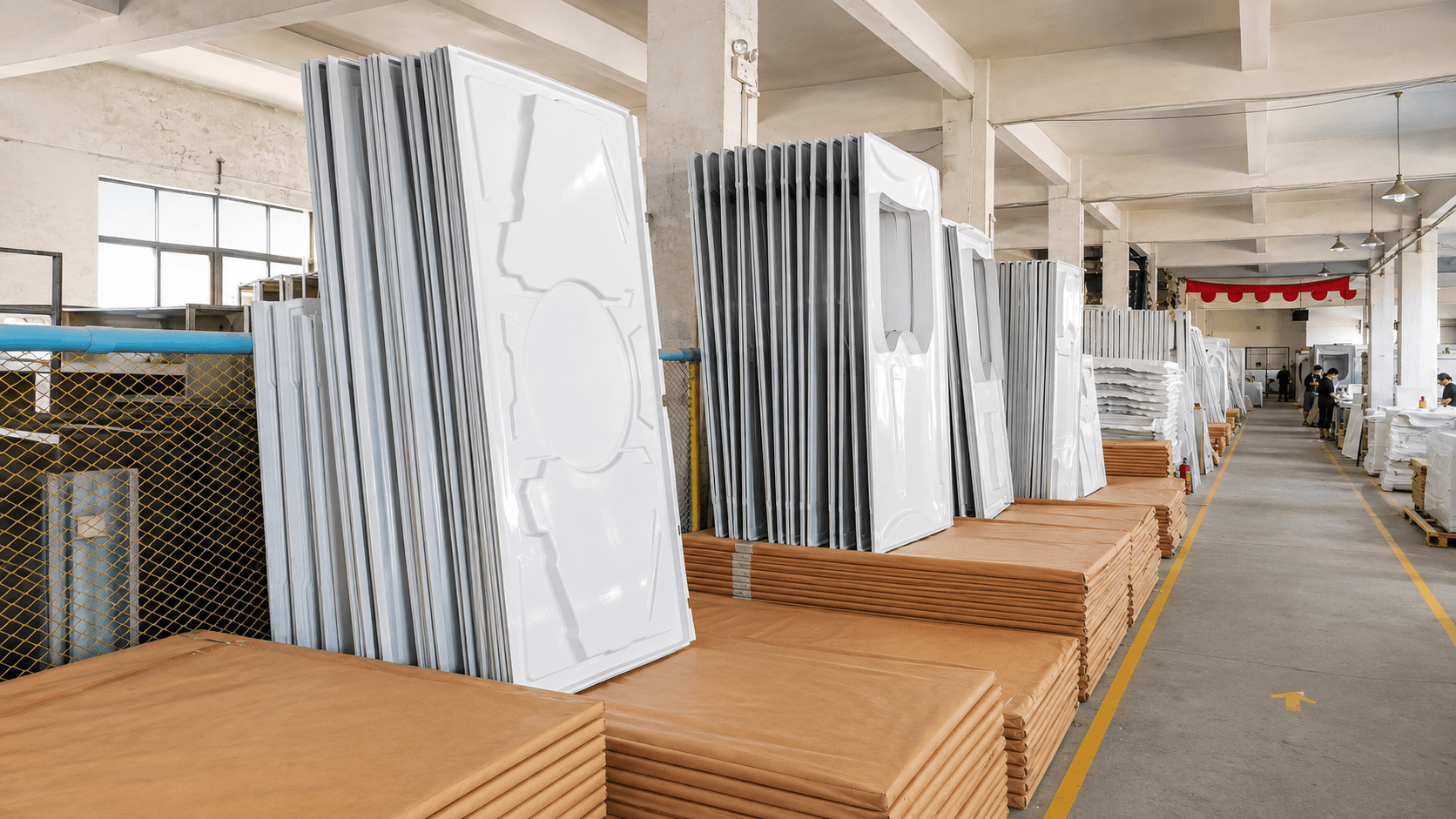
Record the material manufacturer or supplier, exact grade or board type, relevant thickness and the order or batch reference when it is available. GEELYE can identify the construction specified for the selected model, but buyers should not infer origin, resin maker or board mill from a generic material name.
What does a test report actually cover?
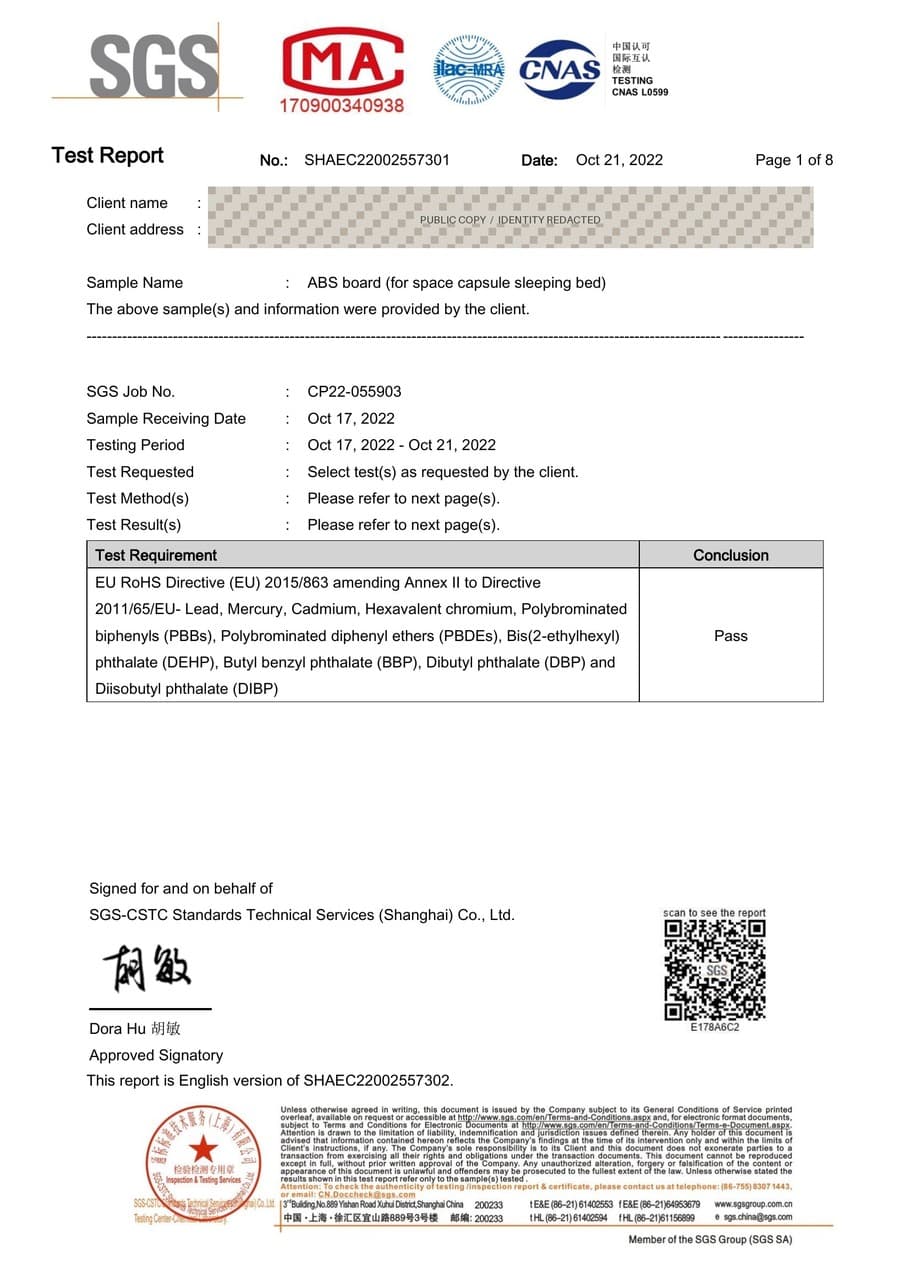
A report covers the sample and test scope written in that report. Compare the applicant, sample name, grade, thickness, test method, date, result and validity note with the approved bill of materials. It does not automatically cover another thickness, another batch, a customized assembly or the complete sleep pod.
What should the buyer inspect?
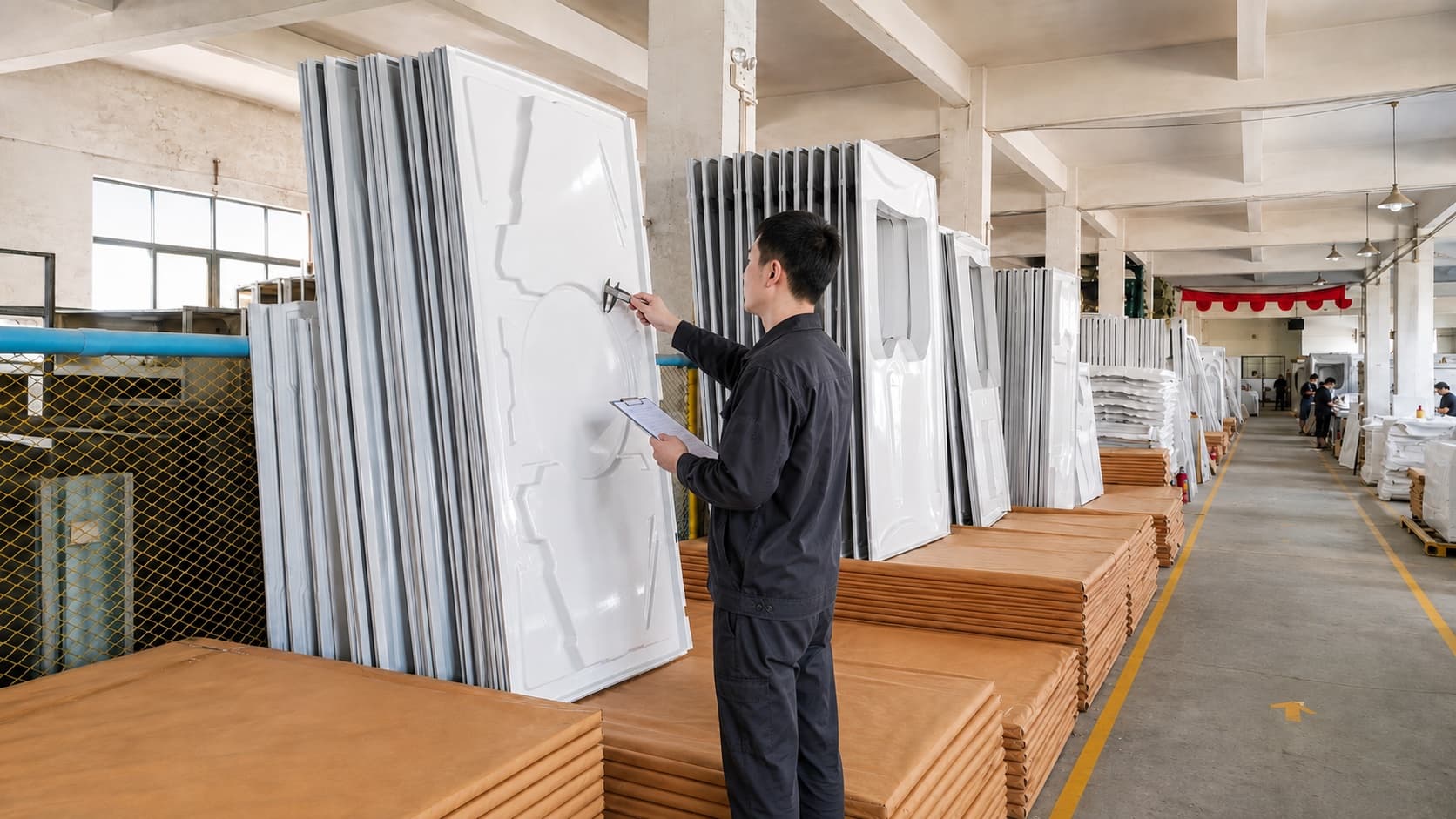
Before production, approve the model-specific material schedule, finish sample, drawing revision and evidence list. During inspection, check identification, surfaces, edges, joints, fit, visible damage, replaceable parts and the agreed functional and packing records.
- Reject undocumented material substitutions
- Keep the approved sample and specification revision identifiable
- Agree inspection sample size and acceptance points before production
- Record deviations and corrective action in writing
What must a local consultant confirm?
A qualified destination team should confirm building and fire requirements, permitted materials, room-level detection and suppression, escape routes, occupant load, ventilation, electrical connection, structural support, accessibility and any authority submission. Product documents support that review; they do not replace local approval.
| Review area | Supplier should provide | Buyer should check | Local consultant should confirm |
|---|---|---|---|
| Material source | Ordered-model bill of materials; material manufacturer or supplier; trade name or grade; panel or sheet specification; batch or purchase reference where available. | Names and grades match the quotation, approved sample, drawings and production order; substitutions require written approval. | Whether the proposed material is acceptable for the destination, building use and procurement requirements. |
| Test report scope | Readable report showing applicant, laboratory, test method, sample description, thickness or condition, result, date and validity statement where stated. | The tested sample matches the actual ABS sheet, engineered board or component. Do not treat a component report as certification of the complete pod. | Which current standards, translations, laboratory credentials or additional project-level tests the authority requires. |
| Production and receipt | Approved finish sample; inspection criteria; relevant incoming-material, assembly and pre-packing records; agreed method for recording changes. | Color, finish, exposed edges, joints, damage, cleaning compatibility, replaceable parts and document revision match the approved order. | Site storage, humidity, cleaning chemicals, fire strategy, accessibility, structural support and acceptance procedure. |
Capsule bed and sleep pod materials: the short answer
So, what are GEELYE capsule beds and sleep pods made of? Most sculpted capsule models use a formed ABS outer shell over a metal structural frame. The wooden modular range uses engineered wood panels over a metal frame. Think of the shell as the tailored jacket and the frame as the skeleton beneath it: one shapes the look and touch points, while the other supports the assembled form.
That simple answer needs one honest footnote. GEELYE does not use one universal material recipe across every model. A compact single capsule, a wider premium pod and a wooden hostel module can have different panels, openings, finishes and equipment. Even two pods that look nearly identical in a photo may carry different ABS grades or accessory packages. The approved quotation and final specification should name the exact construction supplied.
For a buyer, this is good news. You can compare capsule bed materials without losing sight of the technical core. ABS gives the familiar smooth, rounded capsule form. Engineered wood creates a warmer, furniture-led look. The metal frame sits behind both approaches, connecting shape with repeatable assembly.
- ABS capsule family: formed ABS outer shell plus metal structural frame
- Wooden modular family: engineered wood panels plus metal structural frame
- Project variables: material grade, panel type, finish, color, opening, controls and accessories
- Evidence rule: verify every material or component claim against the ordered configuration
ABS capsule beds: the smooth shell people recognize first
ABS stands for acrylonitrile butadiene styrene. Quite a mouthful, right? In plain English, it is a thermoplastic that can be formed into clean curves and repeatable sections. That makes it well suited to the rounded exterior associated with capsule beds. The surface also supports a neat, modern appearance that feels at home in capsule hotels, transit rest areas and staff accommodation.
GEELYE’s ABS technical profile lists an ABS outer shell and a metal structural frame. Relevant models may be supplied with general ABS, or with V2 or V0 ABS when that grade is confirmed for the project and backed by matching material evidence. Those letters are not decorative badges. They refer to the flame-performance grade of the submitted material, so the report, sample description and supplied sheet must correspond.
ABS is sometimes described online as if the word alone guaranteed toughness, fire safety and easy cleaning. It doesn’t. Performance also depends on grade, thickness, forming quality, joints, support, finish and daily care. A sensible buyer asks how the shell is supported, where panels meet, which surfaces are replaceable and what cleaning agents are approved. The glossy brochure shot? Nice to have. The written material schedule? Far more useful.
Color is another practical detail. GEELYE’s current product data lists several colors for the ABS family, while final color and surface direction remain part of project confirmation. Ask for an approved sample when visual consistency matters across a large room. Screens can shift white toward blue or cream, and nobody wants that surprise after a container arrives.
The metal frame: quiet, hidden, and doing the serious work
Guests notice the shell. Project teams should also notice what sits behind it. GEELYE specifies a metal structural frame for both the ABS and wooden construction families. This frame supports the pod’s assembled form and provides a repeatable base for shell sections, interior parts and project hardware.
Still, “metal frame” is not a complete structural assessment. Room layout, single- or double-deck arrangement, connections, floor conditions and installation details all matter. A supplier drawing should show the chosen model, overall dimensions, access points and assembly method. Local building and fire requirements remain the responsibility of the project team and relevant authorities.
Here’s the key: do not judge structure by tapping the outer skin. That is a bit like judging a hotel by its curtains. Review the frame description, installation drawing and configuration instead. During inspection, look for the correct components, sound connections, clean fit and any visible damage before the unit is packed or accepted on site.
Wooden modular pods: warmer to the eye, more specific on paper
Some interiors call for a softer visual language. A boutique hostel with oak-toned joinery may not want a bright molded shell; a university residence may prefer a built-in furniture feel. GEELYE’s wooden modular capsule beds answer that brief with engineered wood panels and a metal structural frame.
The current master specification lists E0 particleboard, E0 multi-layer plywood and E1 multi-layer plywood as board choices. A B1 flame-retardant plywood choice can also be discussed for a confirmed configuration. For the documented wooden construction profile, the outer door panel is listed at 18 mm, the outer side panels at 9 mm and other wooden panels at 15 mm. These figures describe the approved technical profile, not a promise that every custom panel in every future project will share one thickness.
Why engineered boards rather than a romantic slab of solid timber? Consistency, machining and modular assembly matter in commercial interiors. A controlled board specification can make repeated panels easier to coordinate. Yet board names can become a fog of acronyms. E0 and E1 relate to emissions classifications in the cited material evidence; B1 relates to the tested flame-performance classification of a submitted board. The label only has meaning when the board, thickness, report and supply match.
Wood also changes the mood. It can feel calmer and more familiar—less spaceship, more private nook. That emotional quality is real, but procurement still needs a cool head. Confirm edge treatment, exposed surfaces, finish sample, cleaning method, moisture conditions and replacement access. Warmth should come from the design, not from vague paperwork.
Need a material schedule for a real project?
Send the room plan, destination, selected model, quantity, cleaning conditions and required material evidence. GEELYE can clarify the available construction and the points that still need confirmation.
Send Your RequirementsWhat about the surfaces inside the pod?
A pod is not just a shell. Guests touch the entrance, control area, interior panels, light switches, socket surrounds and any fitted accessories. Operators touch even more during cleaning and maintenance. That is why an interior material schedule should sit beside the shell specification, not hide behind it.
GEELYE coordinates shell components, interior parts, electrical items, finishes and accessories against the approved order. The exact mix varies by model and equipment level. A mattress, curtain, television, mirror, reading light or decorative panel shown in an image may be standard, available by request or outside the quoted scope. Ask. It sounds almost too simple, yet this one question prevents a surprising number of purchasing headaches.
For daily care, request the approved cleaning guidance for the supplied surfaces. Strong solvents, abrasive pads and untested disinfectants can affect some plastics, coatings or decorative finishes. A hotel operator may clean a pod several times a day, while a long-stay residence may follow a different cycle. Share that use pattern before production so the finish discussion reflects real life rather than a showroom afternoon.
Ventilation and electrical systems deserve the same configuration discipline. GEELYE’s technical profiles identify adjustable circulation and a 12 V low-voltage cabin system for the relevant ranges, with 110–240 V AC input. Plug type, site connection, local rules and documents must still be confirmed for the destination. These systems are part of the complete pod experience, but their component reports should not be used to make unsupported claims about the whole cabin.
Fire-retardant does not mean fireproof—yes, the wording matters
Material language gets slippery around fire performance. Words such as “fireproof” can sound reassuring, but they are often too broad to be useful. A material may have a stated flame-retardant grade under a particular test method and sample condition. That does not make the complete sleep pod immune to fire, nor does it approve the room layout for a destination market.
For relevant ABS models, general, V2 or V0 material may be available subject to final confirmation and matching evidence. For the wooden range, a B1 flame-retardant plywood choice is listed in the technical profile. The archived B1 reports in GEELYE’s source set covered specific submitted samples and stated a limited validity period, so current-batch evidence must be checked before anyone presents an active claim.
There’s a useful habit here: read the scope before the headline. Check the named material, sample thickness, report date, test method, issuing body and any validity note. Then compare those details with the bill of materials for the selected pod. A control-board document covers a control board. A board test covers the submitted board. Neither automatically becomes a whole-pod certificate.
Local approval can also include room-level matters such as detection, alarms, sprinklers, escape routes, ventilation and occupant load. Those decisions sit with the project’s qualified consultants and authorities. GEELYE can provide product information and available documents for review; the destination team determines what the building requires.
- Avoid blanket words such as fireproof unless a precise, applicable basis is stated
- Match the report to the actual ABS grade or board supplied
- Check sample description, thickness, date, test scope and validity
- Keep material evidence, component evidence and whole-pod claims separate
- Have the local project team review building-level fire and occupancy requirements
A material name is not a quality system
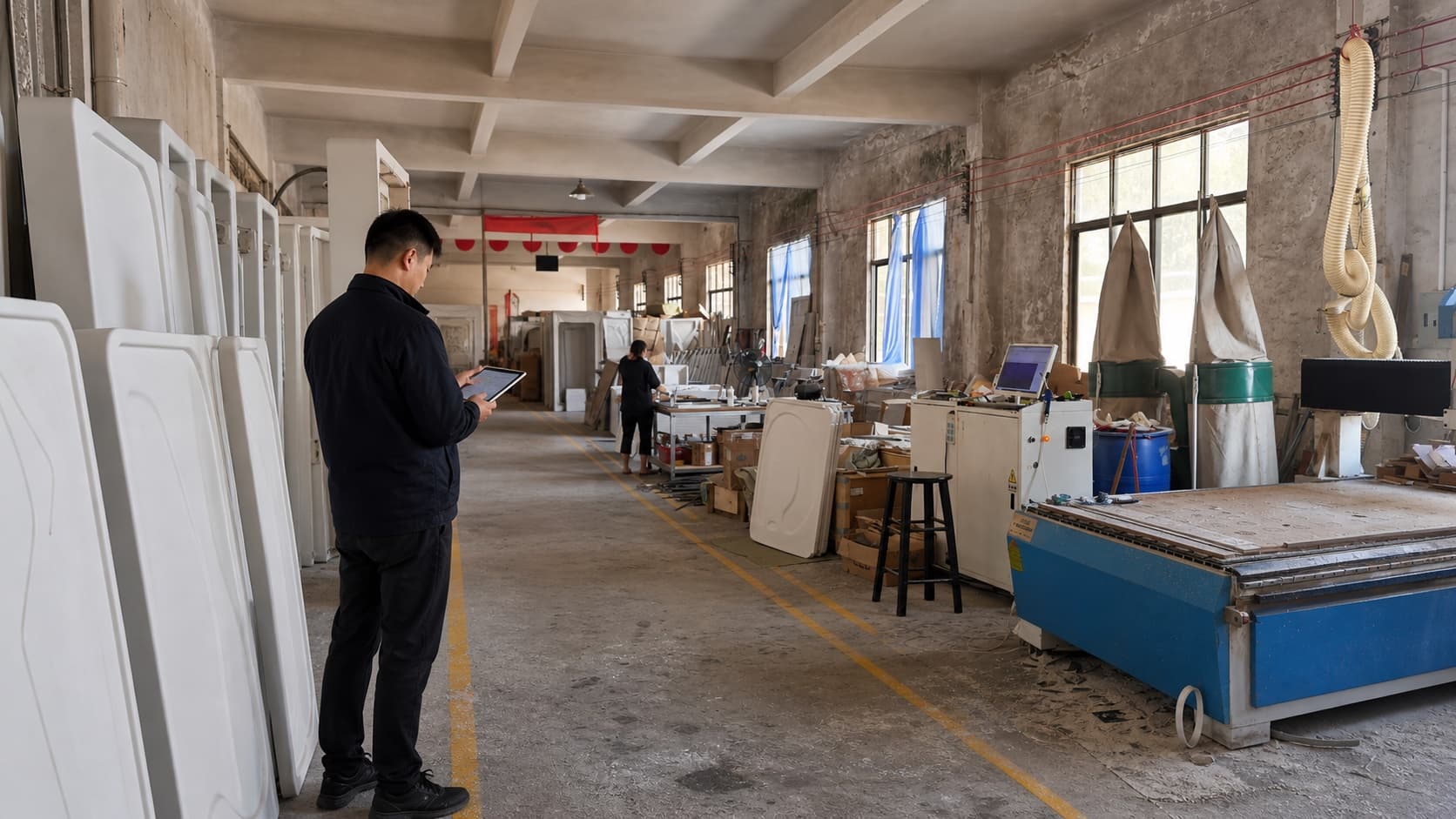
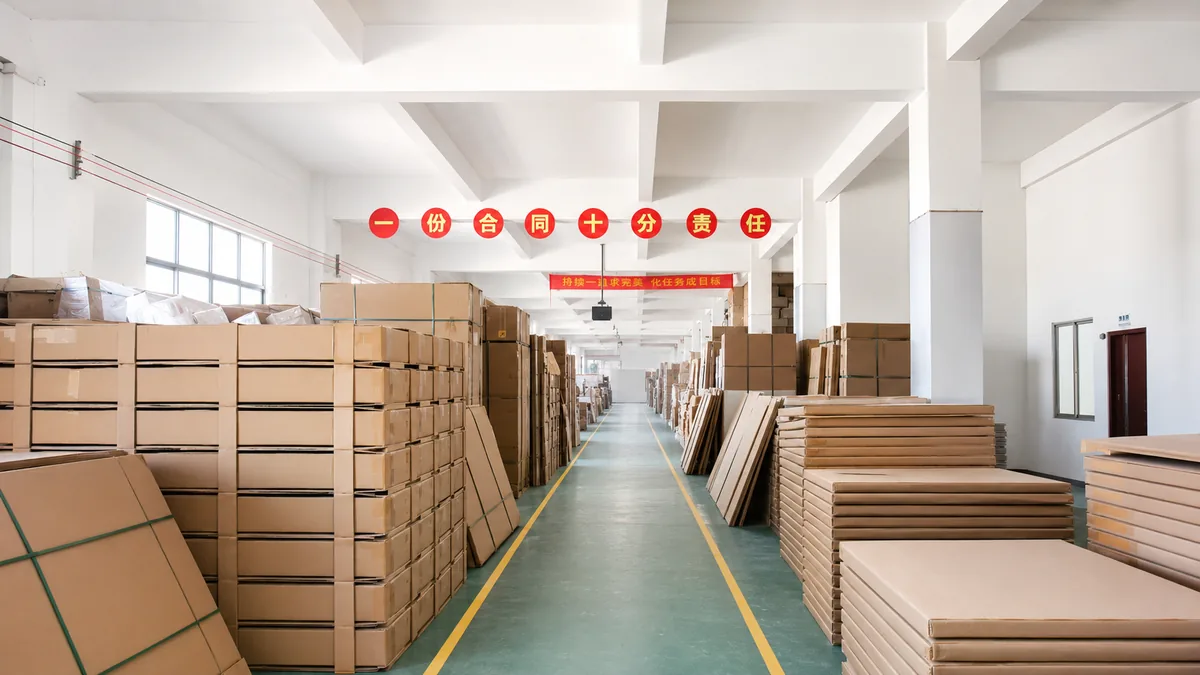
Good material can still be cut poorly, matched to the wrong order or damaged before shipment. Quality comes from controlling the path from approved specification to packed product. GEELYE’s published process uses four broad gates: material and component review, assembly-stage checks, functional review and pre-packing verification.
At the first gate, shell sections, interior components, electrical items, finishes and accessories should correspond with the selected model and approved project requirements. During assembly, visible surfaces, component fit and order-specific details are reviewed. Where included, lighting, controls, ventilation and accessories are checked before packing. The applicable checklist varies because a simple pod and a customized unit do not carry the same parts.
For the buyer, records matter. Ask how the order reference is carried through production, how corrections are recorded and which checks apply to your model. If a pre-shipment inspection is planned, agree on the sample size, photos, videos and acceptance points before the factory is ready to load. Last-minute inspection criteria tend to create heat, not clarity.
You know what is oddly reassuring? A supplier who states what a document does not cover. Limits are not a weakness; they are part of trustworthy technical communication. Clear scope lets your architect, operator and procurement team make the right decision without filling gaps with wishful thinking.
A capsule bed and sleep pod material quality checklist
Here is a compact checklist you can attach to an inquiry or quotation review. Use it model by model. If the answer changes with a customization, record the revision rather than relying on an old brochure.
Start with the operating scene. A high-turnover airport rest zone, a capsule hotel and workforce accommodation can stress surfaces in different ways. Cleaning frequency, luggage contact, guest turnover, room humidity, maintenance access and local rules should shape the final specification. Materials do not work in a vacuum—they live through thousands of small human moments.
- Product identity: model, orientation, deck arrangement and approved drawing revision
- Shell: ABS or engineered wood, exact grade or board type, thickness where relevant, color and finish
- Structure: metal frame description, assembly method, connections and site support conditions
- Interior: panel and touch-surface schedule, edge treatment and replaceable parts
- Cleaning: approved products, prohibited chemicals and routine care instructions
- Fire evidence: report matched to the actual material, sample, thickness and current supply
- Environmental evidence: classification and report matched to the supplied engineered board
- Systems: destination input, cabin voltage, socket type, controls, lighting and ventilation configuration
- Inspection: incoming review, assembly checks, functional test points and pre-packing records
- Commercial scope: included accessories, exclusions, spare parts, packing and document handover
So, which material should your project use?
There is no single winner. ABS suits projects that want the recognizable capsule profile, molded curves and a clean technology-led appearance. Wooden modular pods suit interiors that call for warmer tones, furniture-like detailing or closer coordination with surrounding joinery. Both GEELYE construction families use a metal structural frame.
Your decision should follow the room, operating model and evidence requirements. Consider guest expectations, cleaning cycle, finish direction, repair access, local review and the ability to replace visible parts. Then compare samples and written specifications. Feel the surface, inspect an edge, open the service point—small details often tell a more honest story than a dramatic hero image.
Most of all, freeze the material scope before production. Name the ABS grade or board type, finish, color, panel details and supporting documents in the approved order. When everyone can point to the same specification, quality becomes something you can inspect, not merely hope for.
Materials should be specified, matched and verified
GEELYE capsule beds and sleep pods are built around two clear material families: ABS shells with metal frames, and engineered wood modular shells with metal frames. The right choice depends on the design mood, operating conditions and project requirements—but the purchasing rule stays the same.
Specify the exact material. Match it to the model and current evidence. Verify it through production and packing. It is a plain process, perhaps, yet plain processes are often what turn a beautiful pod into a dependable commercial room.
Turn the material question into a clear specification
Share your project brief to compare suitable GEELYE models, finishes and configuration-specific documents before production.
Frequently asked questions
What are GEELYE capsule beds and sleep pods made of?
Most GEELYE capsule models use an ABS outer shell with a metal structural frame. Wooden modular models use engineered wood panels with a metal frame. The final specification depends on the selected model and order.
Are GEELYE ABS capsule pods available with flame-retardant material?
General, V2 or V0 ABS may be available for relevant GEELYE models. The requested grade must be confirmed for the final configuration and matched with current material evidence; it is not whole-pod fire certification.
Which engineered wood boards are used in GEELYE wooden capsule beds?
The current technical profile lists E0 particleboard, E0 multi-layer plywood, E1 multi-layer plywood and a B1 flame-retardant plywood choice. Board type, thickness and supporting report must match the supplied configuration.
How should buyers check capsule bed and sleep pod material quality?
Confirm the exact shell material, grade, thickness where relevant, metal frame, finish sample, cleaning guidance and matching reports. Then review assembly, functional and pre-packing records for the ordered model.
Does a material test report certify the complete GEELYE sleep pod?
No. A material report covers the identified submitted material and test scope. A component report covers the named component. Whole-pod and destination approval require separate, configuration-specific review.