
The five delivery cost areas at a glance
Before requesting prices, put five delivery questions into the same RFQ sent to every bidder. Ask each supplier to show what is included, what is priced separately, what depends on the final configuration and what the project team must arrange locally. That makes the responses easier to compare and gives the receiving team a usable plan. Use the wider capsule bed specifications RFQ checklist for product-level inputs.
| Cost area | Buyer should provide | Supplier should confirm in writing |
|---|---|---|
| Packing | Model shortlist, quantity, destination and handling constraints | Preliminary assumptions at RFQ stage; final package count, dimensions, gross/net weight and packing list after configuration approval |
| Access | Delivery address, unloading point and measured route to every room | Package handling assumptions and any model or packing change needed for the route |
| Installation | Site readiness, local trades and desired support | Customer versus supplier tasks, instructions supplied, optional support availability and price |
| Spares | Planned number of units, operating hours and local repair capability | Proposed part list, quantities, prices, lead-time assumptions and claim boundaries |
| Documents | Destination, language and project approval needs | Named deliverables, revisions, applicable product or component scope and delivery milestone |
Packing size: the shipping calculation starts with the packed product
An assembled capsule dimension cannot stand in for shipping data. A project may ship as several protected panels and accessory packages, or in another arrangement suited to its final configuration. The number of packages, outside dimensions and gross weights determine freight space, handling equipment and how many people may be needed at the receiving end. The packing list also helps the site team identify which cartons belong to each model or room.
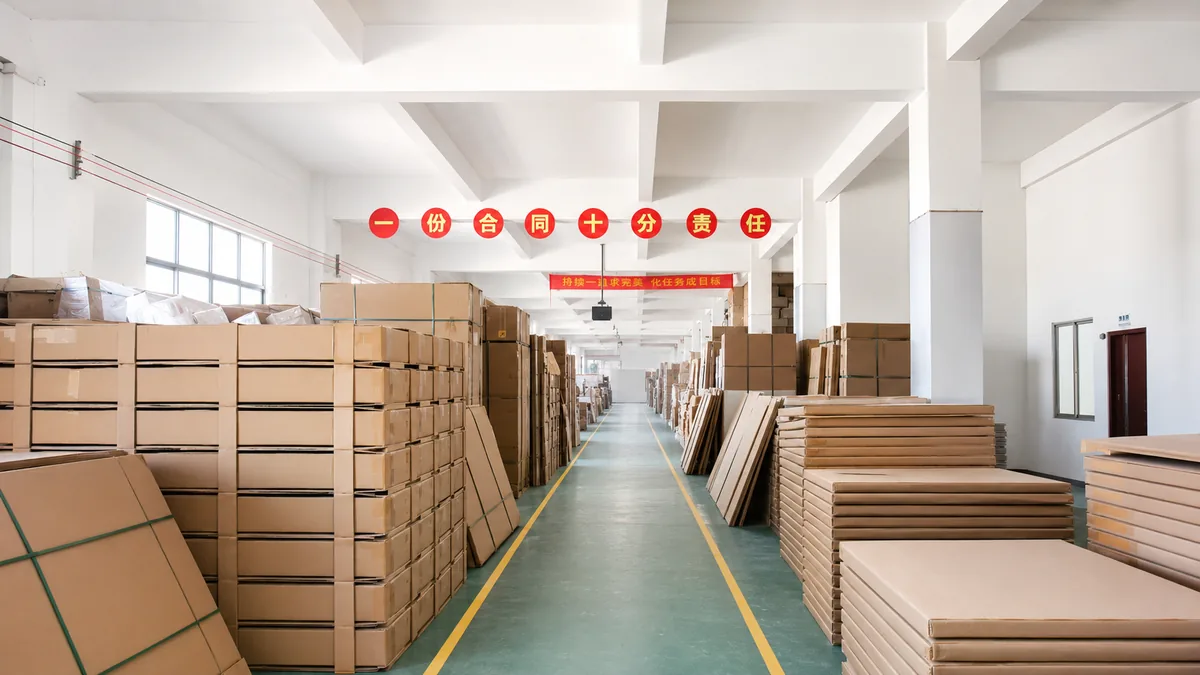
For GEELYE, the product master states that the packaging method, carton count, packed dimensions and gross and net weight are provided after the final configuration is confirmed. That is a useful boundary for the first inquiry: ask for preliminary logistics assumptions, then make final packing data a written pre-shipment deliverable. Do not use a warehouse photograph or an older model's packing figures as the final estimate for your order.
In the RFQ, ask what the quotation assumes about packaging and shipment method. State the destination and whether there are restrictions on vehicle size, loading hours, storage or unpacking. If the supplier quotes FOB, record the named port in the actual quotation or contract and price the journey beyond that boundary separately. Confirm who pays for destination freight, customs services, unloading, movement within the building and packaging disposal. These are different activities, even when a salesperson calls them all “delivery.” The GEELYE manufacturing capability overview shows the general packing process, not the final packing figures for your order.
- package count and identification scheme
- packed length, width and height for each package
- gross and net weight
- accessory packing
- protective method
- packing-list timing
- who updates the figures after configuration changes
Site access: measure the route from the vehicle to the installation room
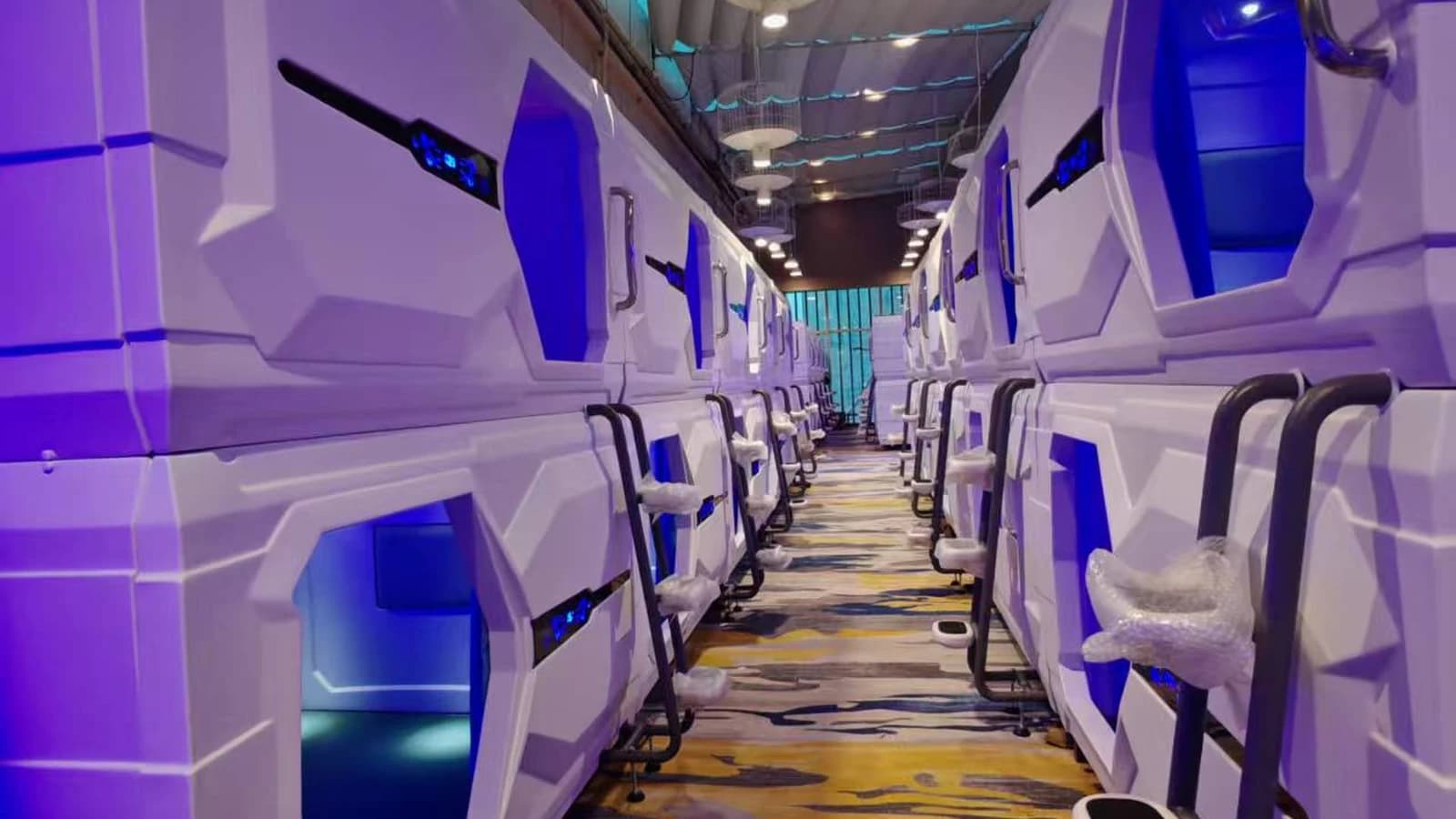
The destination is not just a street address. Follow the actual path a package will take: vehicle stopping place, dock or entrance, threshold, lift, corridor, turns, stairs and final doorway. Record clear openings rather than nominal door sizes. Include the lift's usable internal dimensions and load limit, the narrowest point of the route, floor changes and any restrictions on handling hours. If several rooms or floors differ, note each path.
Site access can change the delivery cost even when the product and freight quote remain unchanged. A package may require more handlers, a different lift plan, temporary storage or unpacking before it enters a room. Unpacking outside the room creates another question: who protects, labels and tracks loose parts as they move through the building? The answer should be settled before goods arrive, not improvised in a crowded corridor.
Send the supplier a dimensioned floor plan and a short route survey. Photos help show turns, doors and stairs, but measurements are still needed. Ask the supplier to assess the proposed package breakdown against that route after the model and packing plan are fixed. The supplier can comment on its package dimensions; the local project team must also check building access permissions, safe handling and any local rules. A generic statement that a capsule “fits through a standard door” is not enough for a particular site. The commercial capsule hotel planning guide helps map the room layout; the unloading route still needs its own survey.
- the narrowest clear opening
- route photos
- lift capacity
- stairs and turning points
- unloading restrictions
- temporary storage space
- the party responsible for moving packages from the agreed delivery point to the room
Installation: make the labour and handover boundary visible
“Easy to install” is not an installation scope. Someone must receive the packages, check for damage and missing parts, move components into position, assemble the frame and panels, connect any required services, test functions, remove packaging and sign off the installed unit. Those tasks may involve different people and different budgets. The capsule bed installation cost depends on who performs each task. The RFQ should say where the supplier's responsibility stops and where the buyer's contractors begin.
GEELYE's current product information describes customer installation, supported by an installation video and written instructions. Do not treat this as an included on-site crew. If your project needs remote assistance, supervision or a local installer, request the exact option and confirm availability and price for your destination. Also identify who provides tools, lifting help, power preparation and qualified electrical work. The GEELYE installation resources show available guidance; confirm the instructions for the selected model and configuration, with a clear route for questions when a site condition differs from the drawing.
Build a simple acceptance sequence. At receipt, check packages and visible damage. During assembly, record any missing or damaged part against its identifier. At completion, test the functions that apply to the ordered model and record the result. Keep factory inspection, delivery receipt and installed-unit acceptance separate; a pass at one stage does not prove all later stages are complete. If the project requires local fire, electrical, accessibility or building approval, have the appropriate local professionals confirm those requirements.

- included installation instructions
- buyer and supplier task list
- tools and site preparation
- optional support scope and price
- model-specific test checklist
- who signs each handover stage
Spare parts: decide what must be available when the first unit opens
A warranty statement is not a stocked spare-parts plan. A hotel or hostel may need a replacement component to restore a capsule quickly, while the contract may address parts, freight and labour separately. The right opening stock depends on the selected configuration, number of units, expected use and whether a local technician can fit the parts. It cannot be chosen from a generic “spares included” line.
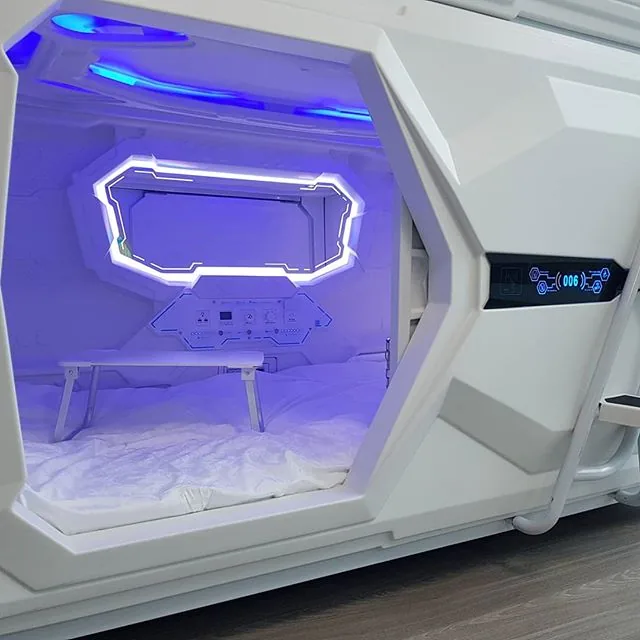
Ask for an itemised recommended list tied to the final model revision. Each line should identify the part, quantity, unit price, compatible configuration and whether it is supplied with the initial order or purchased later. Ask how the part will be identified in a service request and whether instructions are available for replacement. For electrical or control components, verify the actual model and connection; do not assume a visually similar part is interchangeable.
Then separate three commercial questions: what the warranty covers, how a replacement part is shipped and who pays for local diagnosis and fitting. Confirm any exclusions and the claim process in the quotation or agreement. If downtime is important, discuss which high-use or difficult-to-source parts merit local stock. Avoid promising a universal spare kit or response time before the product and support terms are approved. The capsule bed maintenance and spare-parts guide gives the operations team a more detailed planning checklist.
- a model-specific spare-parts proposal
- identifiers
- quantities
- prices
- future ordering method
- supply assumptions
- warranty boundaries
- freight responsibility and local fitting responsibility
Documents: name the deliverables and the claim each one supports
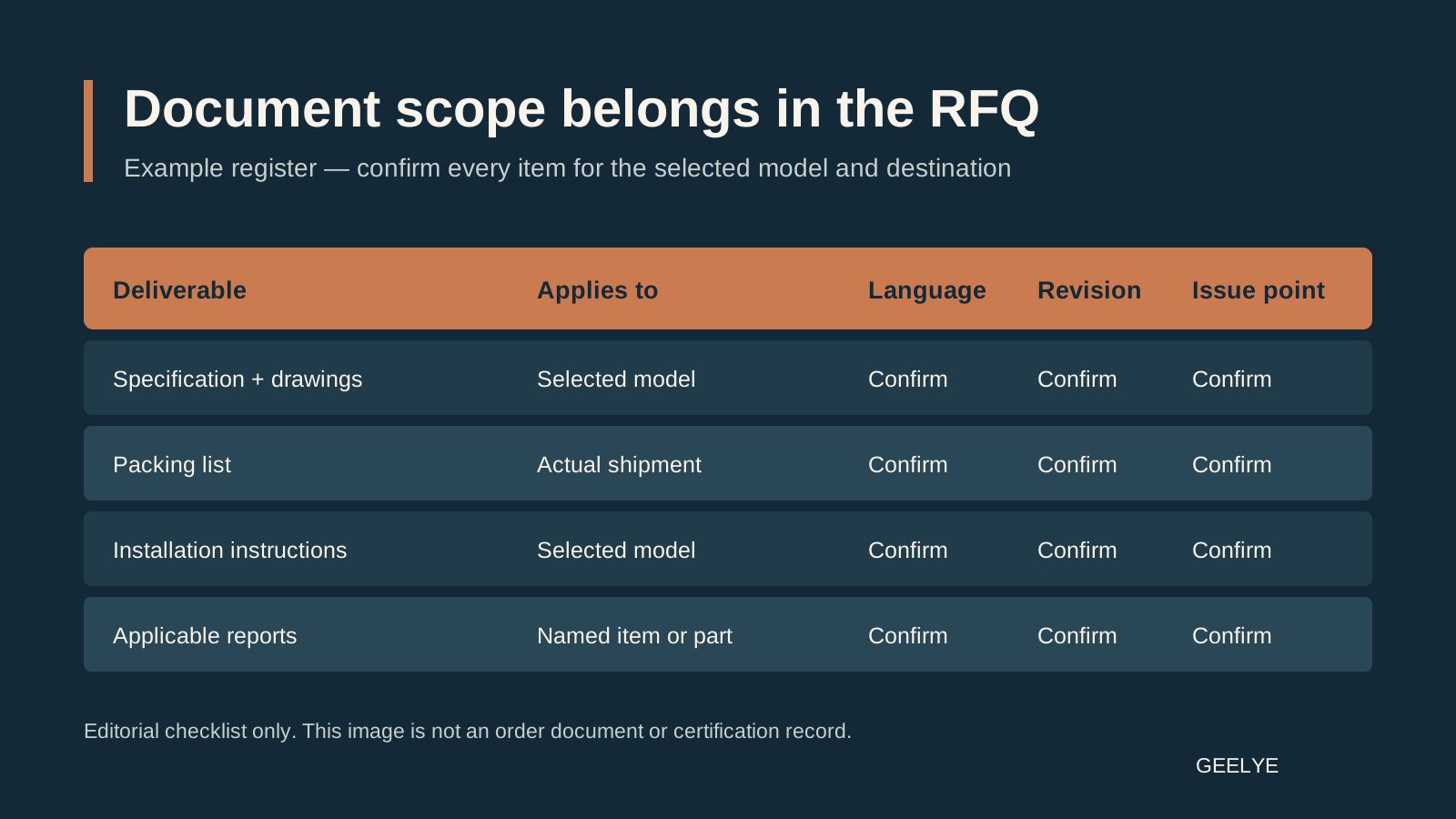
“Documents included” is too vague for an international project. The document scope may cover a quotation and specification for procurement; drawings, package identification and instructions for installers; a packing list and shortage record for receiving staff; and material or component evidence for a local design or approval team. These are different documents for different decisions. Ask for a named list, the required language, the revision and the point in the order process when each will be issued.
Pay close attention to evidence scope. A report for a control board, material sample or specific component should be described as such. It is not evidence that every capsule configuration or the completed room has the same certification. Ask for the report title, issuer, date, referenced standard, tested item and connection to the model being purchased. The materials and quality checklist explains why material or component evidence must match the ordered configuration. The local project team should confirm which approvals are required at the destination; the supplier can then state which existing documents apply and which requests require separate review.
Document preparation can also carry a cost. Translation, project-specific drawings, third-party testing, destination submissions or extra copies may not be part of a base product quote. The right solution is to make those requests visible before price comparison. An unanswered document request should stay marked “to confirm,” with an owner and a date, rather than disappearing into an assumption that it is included.
Ask for: a document register covering the quotation, approved specification and drawings, installation instructions, packing list, proposed inspection/acceptance forms, applicable material or component evidence, language and issue date. Mark any destination-specific approval or extra testing as a separate question.
Send one comparable delivery brief with your RFQ
Put the five areas into one attachment and require each bidder to answer the same columns: included, separately quoted, buyer-provided, subject to final configuration, or outside scope. Attach the destination, unit quantity, model shortlist, dimensioned room plan, measured access route, intended opening sequence and document requirements. Ask bidders to flag assumptions and deviations instead of filling gaps silently.
This brief does not replace a final specification or sales contract. It makes the first quotation more useful. Once the model and finish are approved, request final package data, a task-by-task installation boundary, an agreed spare-parts list and a document register before releasing the order. The capsule bed price guide explains unit price versus project cost. For later order control, use the bulk order confirmation checklist.
A clear delivery boundary makes quotations comparable
A cheaper line-item price can become a less predictable project when the delivery boundary is unclear. Compare capsule bed delivery costs on the same scope: the package, the path into the room, the installer, the opening spare-parts stock and the exact documents required. Put a named owner next to every open item before requesting a quote.
Make your delivery questions part of the RFQ
Share your model shortlist, quantity, destination, dimensioned floor plan and access route with GEELYE. We can review the capsule configuration and make the remaining packing, installation, spares and document questions explicit in the quotation discussion.
Frequently asked questions
Can GEELYE provide exact packed dimensions before I choose a capsule model?
Final package count, packed dimensions and gross/net weight depend on the confirmed configuration. Ask for preliminary logistics assumptions at RFQ stage and request final packing data before shipment.
What site measurements should I send with a capsule bed RFQ?
Send a dimensioned room plan and measure the route from unloading point to installation room, including clear door openings, corridor turns, stairs, lift size and load limit, and any handling restrictions.
Is on-site installation included in a GEELYE capsule bed quotation?
GEELYE's current product information describes customer installation with a video and written instructions. Ask separately about any additional support your project needs and confirm its availability, scope and price in writing.
Are spare parts and labour covered by the same warranty term?
Do not assume so. Request the actual warranty terms and separate the part, international freight, local diagnosis and fitting responsibilities. Agree an itemised opening spare-parts list for the final configuration.
Which certificates and project documents should I request?
Name the documents needed for your destination and ask which specific model, material or component each existing report covers. Request the approved specification, drawings, packing list, installation instructions and proposed inspection records as separate deliverables. Local advisers should confirm destination approval requirements.