
Move from supplier search to a procurement decision
Use each page for one decision: identify the manufacturer, compare product formats, verify factory capability, then evaluate procurement evidence.
What should buyers define before contacting a capsule bed manufacturer?
A capsule bed manufacturer cannot recommend the right product without knowing where and how it will operate. An airport concession may require fast cleaning, luggage provision, high daily turnover and system integration. A capsule hotel may prioritize guest privacy, visual consistency and double-deck capacity. Workforce accommodation may value robust finishes, simple controls and repeatable maintenance. The purchasing specification must translate the business model into product requirements.
Prepare one inquiry brief and send the same version to each supplier. State the destination, site type, room dimensions, ceiling height, quantity range, target guest, expected use cycle, preferred configuration, electrical standard, finish direction, delivery window and installation plan. Mark assumptions. This produces comparable replies and quickly reveals which suppliers ask thoughtful project questions.
- Application and operator: hotel, airport, hostel, employee housing, hospital rest or student accommodation
- Site status: concept, measured existing room, design development or construction
- Capacity goal and model preference, including single, double and deck arrangement
- Destination voltage, frequency, sockets, language and known regulatory constraints
- Required functions, optional features, branding and finish references
- Target shipment date, receiving conditions and local installation resources
| Decision area | Useful evidence | Red flag |
|---|---|---|
| Project fit | A response tied to the application, room plan, destination and operating model. | A model recommendation based only on quantity or appearance. |
| Technical control | Revision-controlled drawings and a configuration schedule naming inclusions and exclusions. | Conflicting dimensions or verbal changes with no revised drawing. |
| Factory capability | Current, connected evidence from materials through assembly, testing and packing. | Only showroom images, badges or unrelated production footage. |
| Quality control | Defined inspection points, acceptance criteria, records and recheck procedure. | Quality described only as a promise or final visual check. |
| Delivery and support | Written packing, installation, warranty and spare-parts boundaries. | Unclear responsibility after shipment or unsupported delivery guarantees. |
Which capsule bed specifications should be compared?
Two pods can look similar while differing in usable internal space, supporting structure, surface materials, ventilation arrangement, electrical architecture, access panels and included equipment. Ask suppliers to complete a common schedule instead of accepting unrelated brochures. Record external and internal dimensions, material description, available flame-performance options, input power, low-voltage functions, ventilation data, accessories and maintenance access.
Treat dimensions as configuration-specific. Current GEELYE product data lists the GY861-A horizontal single-deck outer size at approximately 2132 × 1080 × 1513 mm and the wider GY982-A at approximately 2194 × 1450 × 1513 mm. Relevant ABS ranges list adjustable circulation at approximately 30 m³/h. These figures support comparison, but the selected SKU, layout, room plan and destination requirements must be confirmed in the quotation and approved drawings.
Dimensions and access
Request dimensioned drawings showing the complete unit, internal clear space, openings, ladders, service panels and tolerances. Confirm how the module enters the building and whether assembly occurs in the room. Review cleaning reach, mattress replacement and access to fans, lights, sockets and controls.
Materials and finishes
Ask for the precise shell and structural materials, surface finish, colour process and options relevant to the project. If flame-performance evidence is required, confirm the material grade and test scope in writing. A generic statement such as “fireproof” is not a professional specification and should be challenged.
Electrical and ventilation configuration
Confirm input voltage and frequency, plug and socket type, protection arrangements, estimated connected load, low-voltage circuits, fan controls and how the pod relates to the room HVAC design. Product ventilation does not remove the need for a competent building ventilation design. Obtain schematics or connection information for the final configuration.
| Item | Current published evidence | Buyer must confirm |
|---|---|---|
| GY861-A | Approximate horizontal single-deck outer size: 2132 × 1080 × 1513 mm. | SKU, orientation, deck arrangement and approved drawing. |
| GY982-A | Approximate horizontal single-deck outer size: 2194 × 1450 × 1513 mm. | SKU, opening, access, room capacity and approved drawing. |
| Construction | Relevant ranges use an ABS outer shell with a metal structural frame. | Material grade, finish and evidence matching the supplied configuration. |
| Electrical | 110–240 V AC input and a 12 V low-voltage cabin system. | Frequency, plug or fixed connection, load, protection and local requirements. |
| Ventilation | Adjustable circulation at approximately 30 m³/h for relevant profiles. | Room HVAC, occupancy, temperature, noise and representative testing. |
| Installation | Customer installation; GEELYE provides video and written instructions. | Local installer, supervision, site services, testing and handover. |
| Commercial boundary | Packing data follows configuration confirmation; current master data states a two-year warranty. | Packing list, named FOB port, warranty start, scope, exclusions and remedy in the contract. |
How can buyers verify a capsule bed factory?
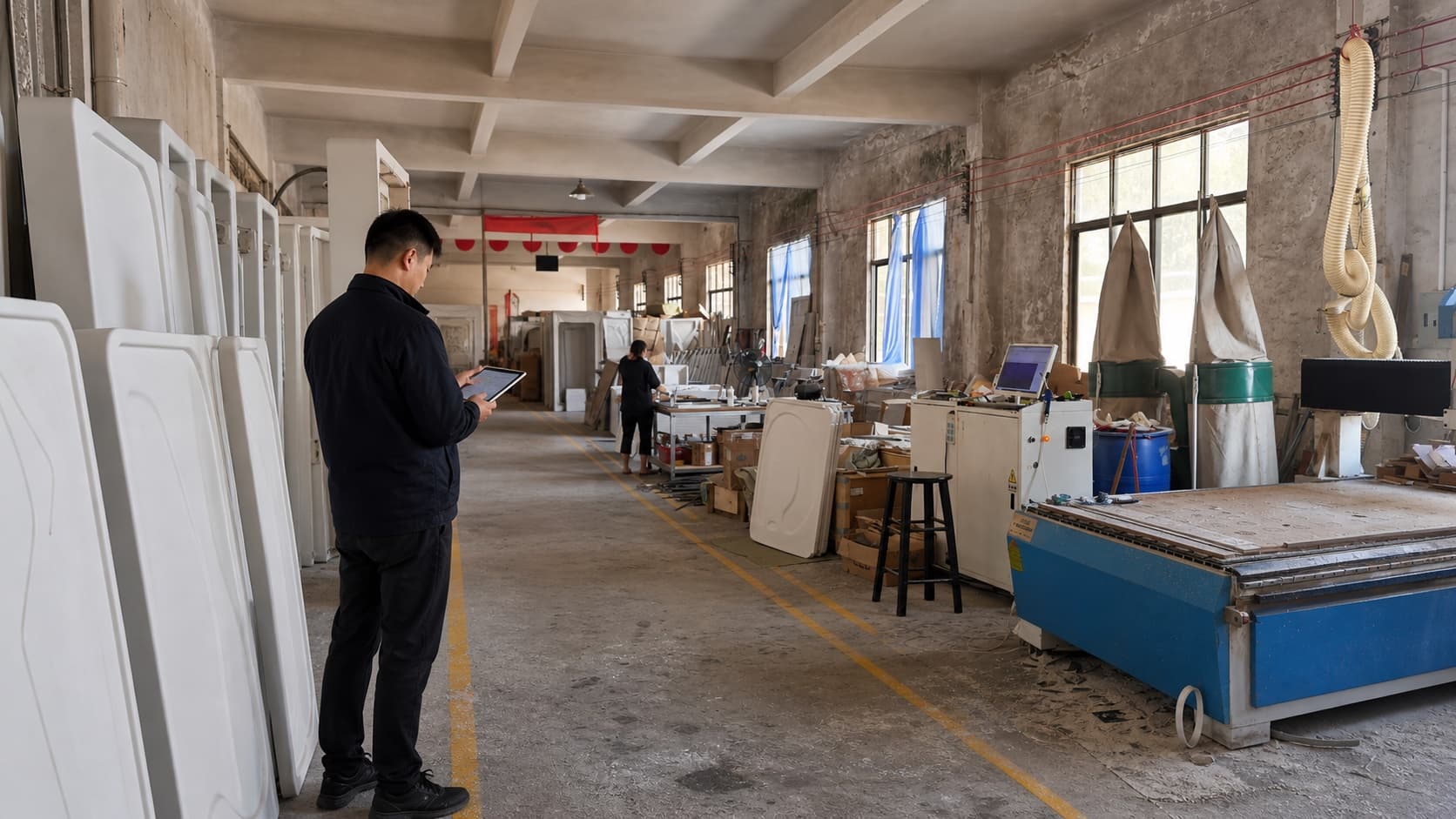
Here’s the thing: a showroom proves that someone has a sample. It does not prove who made it. Supplier verification should move from marketing images to a process view. Request current photos or a live walkthrough that connects incoming materials, component processing, subassembly, complete assembly, testing, packing and storage. Look for the selected capsule bed family, not only one immaculate display unit. Ask which processes are performed in-house, which are subcontracted and how external suppliers are controlled.
Factory size alone is not proof of reliable delivery. More useful indicators include approved drawings at workstations, batch identification, protected components, inspection points, trained electrical assembly, change records, non-conformance handling and orderly packing. For a high-value order, use an independent factory audit or inspection company when travel is impractical.
- Can the supplier show production stages for the quoted product family?
- Who converts the room plan and customer requirements into approved drawings?
- How are colour, electrical and accessory variants identified during production?
- What checks occur before components become difficult to access?
- How are rework, missing parts and customer changes recorded?
- Where are completed units stored before shipment, and how are they protected?
What should a capsule bed quality plan include?
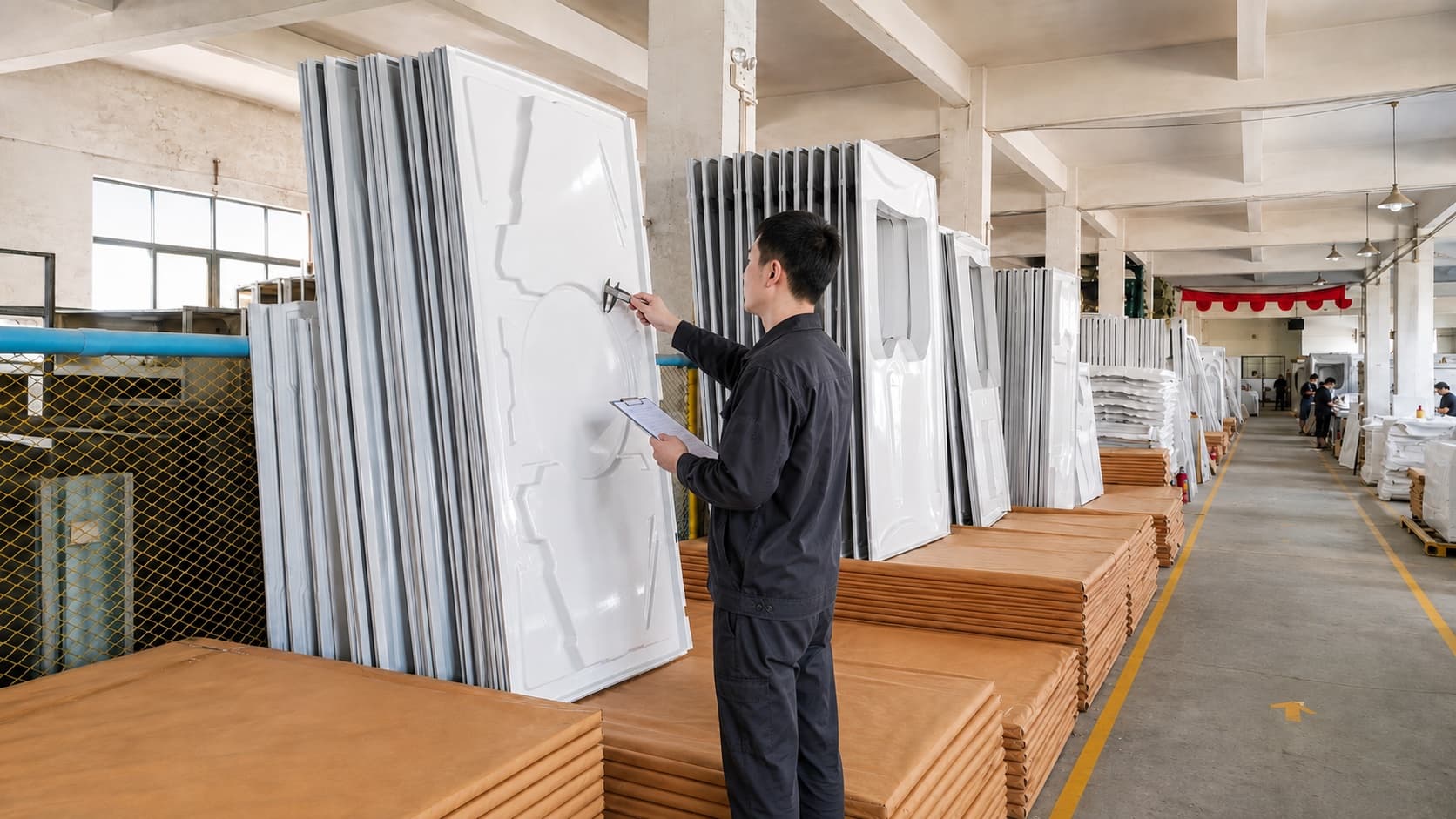
Quality assurance should describe when and how the product is checked. A practical plan may cover incoming components, structural and shell fit, surface finish, wiring, lights, sockets, controls, fans, doors or curtains, hardware, labels, accessories and final packing. The buyer should agree the sampling approach and acceptance criteria before production finishes, not invent them while the container waits.
Shipment inspection should be traceable to the purchase schedule. Record model, quantity, colour, plug type and optional features. Functional checks can be photographed or logged. Packaging checks should confirm protection at corners and finished surfaces, accessory counts, marks and moisture exposure controls. Where the destination or contract requires third-party inspection, book it into the production schedule early.
Sample and pre-production approval
A physical sample is valuable when configuration, finish or controls are new, but it adds time and freight. For established models, a combination of material swatches, drawings, reference photos and video approval may be proportionate. Define what approval means and whether later production must match a signed sample or written schedule.
Factory acceptance checks
Select representative completed units and verify visible quality plus agreed functions. Do not power equipment with an improvised supply that differs from the designed input. Any test record should state the configuration, date, inspector and result. Agree how defects are corrected and rechecked before release.
Which compliance documents are actually relevant?
Compliance evidence is not a universal badge. A report may apply to a control board, material sample, power supply or complete product; the distinction matters. Check the applicant and manufacturer, product description, model references, tested standard, issue date, laboratory and report number. Confirm that the offered configuration contains the covered component and that the evidence is relevant to the destination.
The local authority, consultant or importer may require additional evidence or a different standard. Obtain their requirements before ordering where possible. The supplier should provide accurate available documents and avoid promising approval outside its control. The buyer’s local professional remains responsible for determining how the pod is treated within the building, including fire, electrical, accessibility and accommodation licensing.
- Match the document to the exact product, component or material named
- Check model references and whether optional configurations are included
- Verify the standard and edition against destination requirements
- Confirm the issuing laboratory and retain the complete report where required
- Do not treat CE, RoHS, FCC or material reports as substitutes for local building approval
Comparing capsule bed manufacturers?
Send GEELYE the same room plan and specification used for your shortlist. We will respond with relevant product options, open assumptions and the next technical information needed.
Send Your RequirementsWhen should capsule bed customization be avoided?
Customization is valuable when it supports the operating concept; uncontrolled customization creates schedule and maintenance risk. Separate cosmetic changes—colour, logo, finish—from functional changes such as dimensions, electrical systems, controls, doors and ventilation. Ask the manufacturer to identify feasibility, tooling, minimum quantities, sample requirements, cost, lead-time impact and replacement-part implications before approval.
Use a drawing and revision process. Each issue should have a date or revision, and the order should identify the approved version. Maintain a configuration matrix if different rooms or markets receive different options. Verbal messaging is useful for speed but should not become the final production authority. A strong supplier will pause when information conflicts rather than guessing.
What good drawing coordination looks like
The supplier provides general arrangement and connection information for the selected model; the project team places it within architectural and services drawings; clashes and access issues are resolved; and the final product schedule is approved. Responsibility for building design remains clear. This creates a record for production, installation and later maintenance.
When to avoid customization
Avoid a unique feature when a standard configuration meets the guest need and the change has no measurable operational value. Low-volume custom electronics, concealed components that cannot be serviced and finishes without a replacement plan can increase lifetime cost. Standardization is especially useful for phased hotel or workforce projects.
What must be confirmed for packing and shipping?
International experience should be visible in the commercial process. The supplier should explain packing format, approximate package count, container strategy, documents and lead-time stages. Ask how delicate surfaces, electronics, hardware and loose accessories are protected. Confirm package marks and whether parts can be sorted by room or installation batch.
The buyer should define the Incoterm and named place, importer of record, customs broker, insurance, local taxes, unloading, storage and final movement. A factory can prepare export packing, but it cannot control every port or site condition. Build schedule allowance for inspection, document release, transit variability and customs clearance, then keep the units dry and secure until installation.
- Written production and packing milestones
- Preliminary packing data followed by a final packing list
- Commercial invoice and required origin or transport documents
- Photographic record of loaded packages and container condition
- Defined process for shortages or transit damage discovered at receipt
What must be confirmed before installation?
Installation begins during design. Confirm room dimensions, finished floor level, wall and ceiling completion, power points or distribution, ventilation interfaces, access routes, unloading, storage, tools and labour. The sequence should protect finished pods from dust and damage while allowing required services and safety systems to be completed and inspected.
Ask what documentation is provided: assembly drawings, part identification, connection diagrams, installation instructions, inspection checklist and troubleshooting contacts. Decide whether manufacturer supervision is needed and include travel, visas, local support and language arrangements. If a local installer is used, a pilot assembly or remote briefing can reduce repeated errors.
How should after-sales support be evaluated?
A warranty statement is useful only when the claim process is workable across borders. Ask what is covered, start date, exclusions, evidence required, response path and remedy. Clarify who pays freight and labour, how diagnosis is performed and whether parts can be replaced without dismantling multiple units. Preserve order and model records so the supplier can identify the configuration years later.
Specify an opening spare-parts kit based on quantity, configuration and local service capability. Candidate parts may include frequently used hardware, lamps, fans, switches, control items and finish touch-up materials, but the correct list is model-specific. Train the operator to isolate power safely, record faults and use competent technicians for electrical work.
Measure support quality before ordering
Send a realistic technical question and observe whether the reply is specific, documented and timely. Ask for a sample drawing, installation contents page or anonymized inspection format. Sales speed is not the same as engineering support; evaluate both. Establish named commercial and technical contacts for the project.
How should capsule bed manufacturers be scored?
A scorecard makes the decision explainable to finance, design and operations. Weight product fit, technical response, factory capability, quality system, compliance evidence, project management, delivery, installation support, after-sales and normalized commercial value. Add a red-flag column for unresolved safety, identity or scope issues that cannot be offset by a high price score.
Shortlist two or three suppliers, complete reference checks where possible, and close critical questions before negotiation. The preferred supplier should be the one whose total offer best fits the application and risk profile. Price remains important, but the comparison should include expected coordination cost, rework exposure, schedule confidence and maintainability.
- Product and application fit — 20%
- Engineering response and drawings — 15%
- Factory and quality capability — 15%
- Compliance evidence and transparency — 15%
- Export, installation and after-sales support — 15%
- Normalized commercial value — 20%
| Criterion | Suggested weight | Evidence to review |
|---|---|---|
| Product and application fit | 20% | Layout response, model choice and operating fit. |
| Engineering response and drawings | 15% | Accuracy, revisions, interfaces and stated assumptions. |
| Factory and quality capability | 15% | Process evidence, inspection plan and records. |
| Compliance evidence and transparency | 15% | Document scope, model match, dates and limitations. |
| Export, installation and after-sales | 15% | Packing, instructions, boundaries, warranty and parts. |
| Normalized commercial value | 20% | Comparable scope, exclusions and total delivered responsibilities. |
Compare privacy and bed density before fixing the room plan
Review open, double-partition and private anteroom configurations, then estimate capacity using verified project area allowances.
Compare sleep pod layoutsChoose the capsule bed manufacturer that reduces uncertainty
A capable capsule bed manufacturer does more than provide a product image and price. It helps convert customer requirements into a controlled configuration, produces repeatably, makes inspection visible, prepares for export and supports installation and service. The buyer still owns local design and compliance decisions, but should receive clear product information to make them.
Use the checklist, normalize every quotation and investigate any claim that affects safety, schedule or lifetime cost. A slower, evidence-based supplier decision is usually faster than solving preventable problems after shipment.
Request a product and factory discussion
Share your destination, application, quantity and schedule to request a focused quotation or product catalog.
Frequently asked questions
What should I ask a capsule bed manufacturer before buying?
Ask for model-specific dimensions, materials, electrical and ventilation details, included accessories, drawings, factory process, inspection plan, relevant test reports, packing data, lead-time stages, installation documents, warranty terms and spare-parts support. Give each manufacturer the same project brief.
How can I verify that a capsule bed factory is real?
Review business identity, current factory photos, live video showing linked production stages, product-specific work in progress and export records where appropriate. For material orders, consider an independent on-site audit or pre-shipment inspection. Do not rely only on a showroom, trade-platform badge or edited promotional video.
Which certificate is required for commercial sleep pods?
There is no single worldwide certificate. Requirements depend on the destination, building, use, material, electrical components and local authority. Verify exactly what each test report covers, then have the local architect, engineer, importer or authority confirm the evidence needed for the project.
Should I buy a sample before a bulk capsule bed order?
A sample is useful for a new design, custom finish, electronics or large repeat program. For established configurations, approved drawings, swatches, functional videos and inspection may be sufficient. Decide based on order value, customization risk, schedule and the cost of correcting an error after bulk production.
Can a capsule bed manufacturer customize dimensions and branding?
Many manufacturers can support colours, logos and selected functional changes, but feasibility, tooling, minimum quantity, lead time and compliance effects vary. Request written confirmation and revised drawings. Avoid unnecessary one-off changes that make installation or future parts support harder.