

1. Confirm the exact model, dimensions and quantity basis
A series name is not enough to describe a production order. Record the full model code, opening format, orientation, deck arrangement, finish reference and quantity for each line. State whether a quantity means individual sleeping spaces, individual pods or complete double-deck sets. Otherwise, the supplier and buyer can agree on a number while expecting different goods.
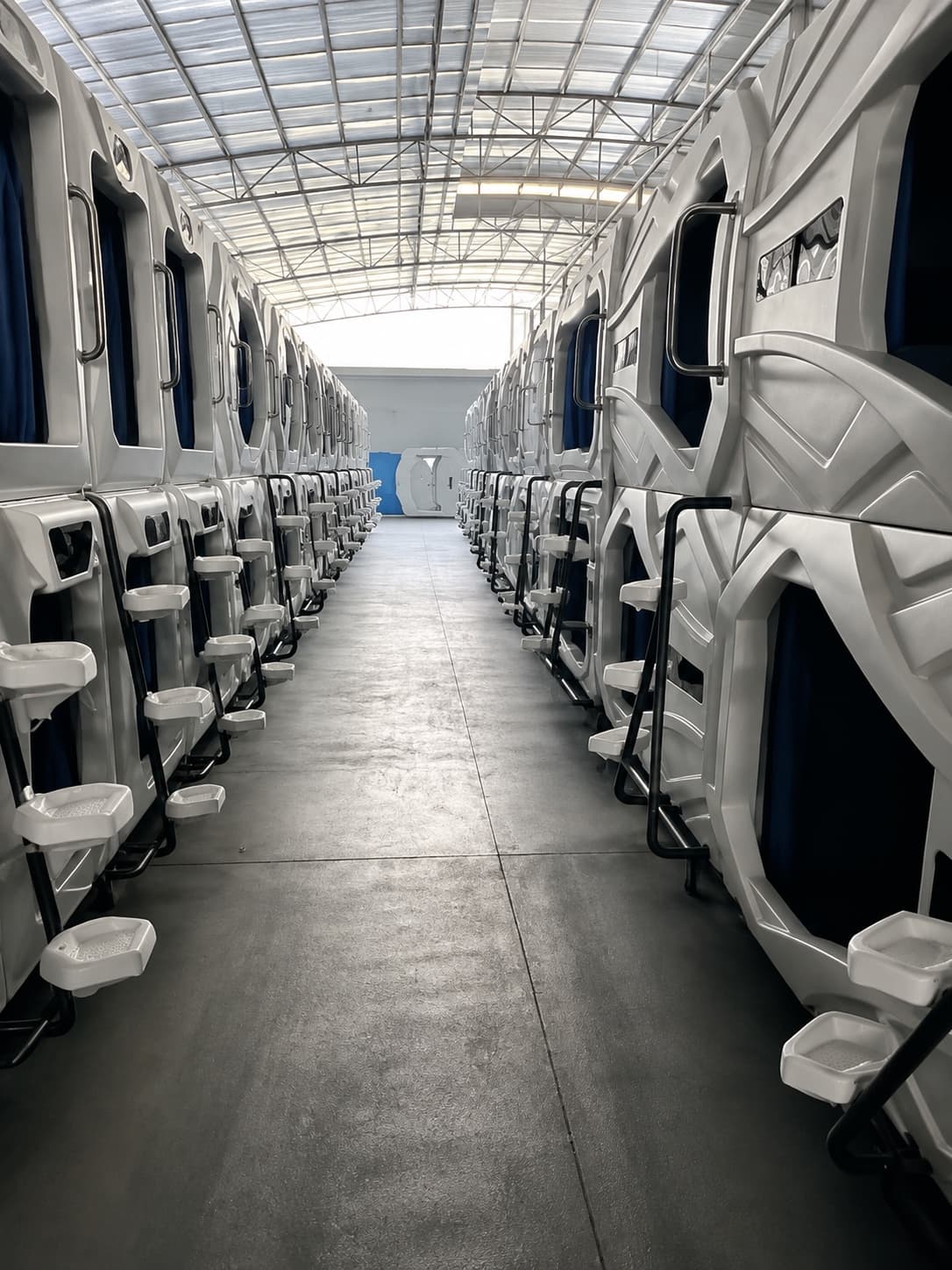
Use the actual model specification sheet as your starting point, then attach the approved order drawing. For example, the GEELYE GY81 specification document separates A, B and C opening formats and distinguishes single-deck units from double-deck sets. Those distinctions should survive into the purchase order; “same as sample” leaves too much to memory.
Confirm external dimensions, internal clear dimensions, entry opening and any ladder projection against the selected configuration. Identify the drawing revision used for room planning and delivery access. Nominal catalogue dimensions are not an agreed manufacturing tolerance, and the sample does not establish clearance around every production unit.
2. Fix the material and finish schedule
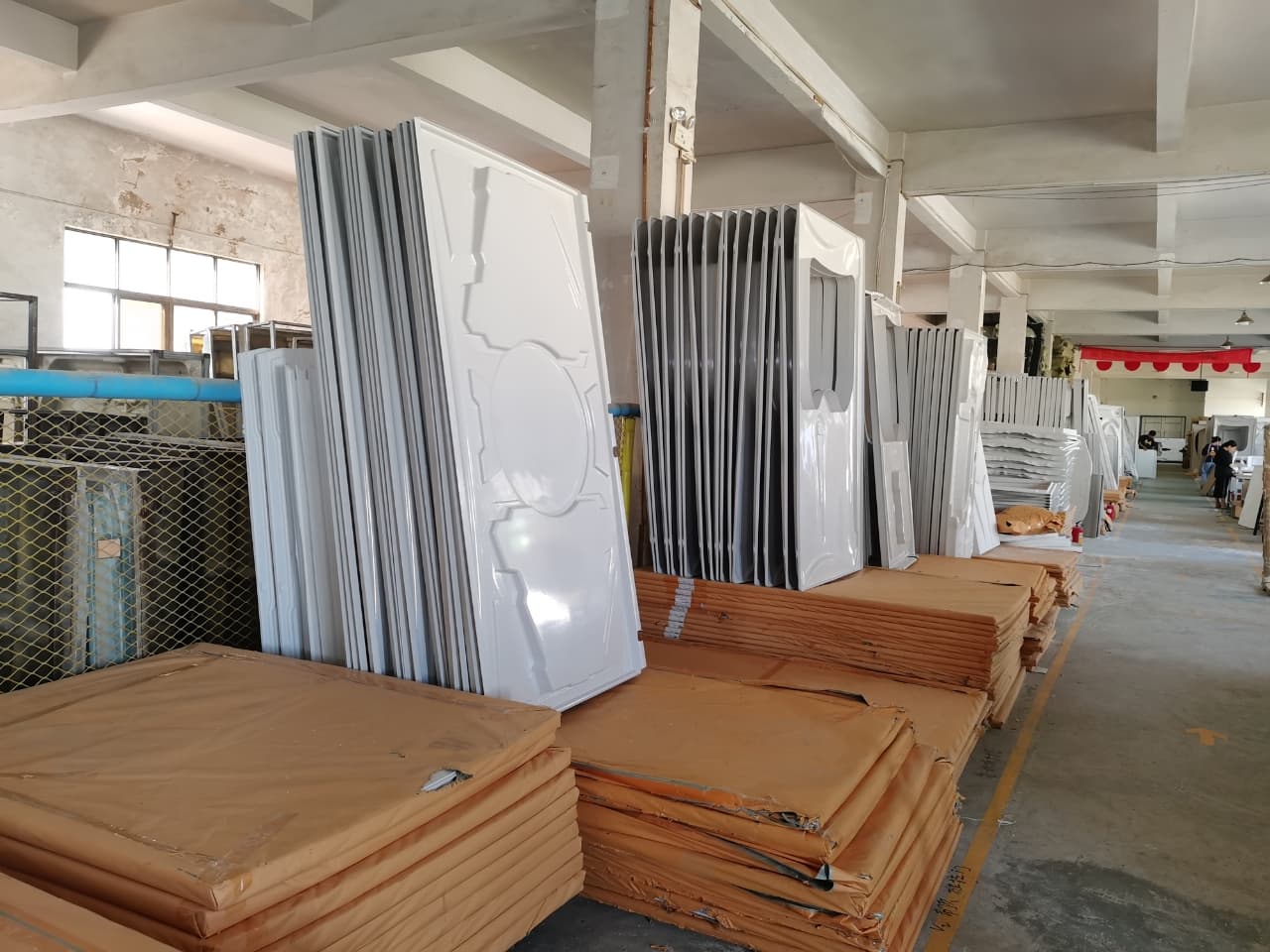
Write the shell, frame, panel and finish requirements separately. The GEELYE product master identifies ABS-shell models with a metal structural frame and wooden modular models with engineered-board construction and a metal frame. That family-level description does not settle the material grade or finish for a particular purchase.
Attach the approved material schedule, colour reference and retained finish sample where relevant. Identify which visible surfaces must match and how the parties will compare them. Photos help locate the approved finish, but changing light and screen settings make them a poor substitute for an agreed physical reference when colour consistency matters.
If a material or component report is part of your buying decision, identify the exact report and ask the supplier to connect its scope to the ordered configuration. Do not extend a report for a board, plastic sample or control component into certification of the whole capsule bed. A proposed substitution should trigger a documented review before production uses it.
3. List every included function and accessory
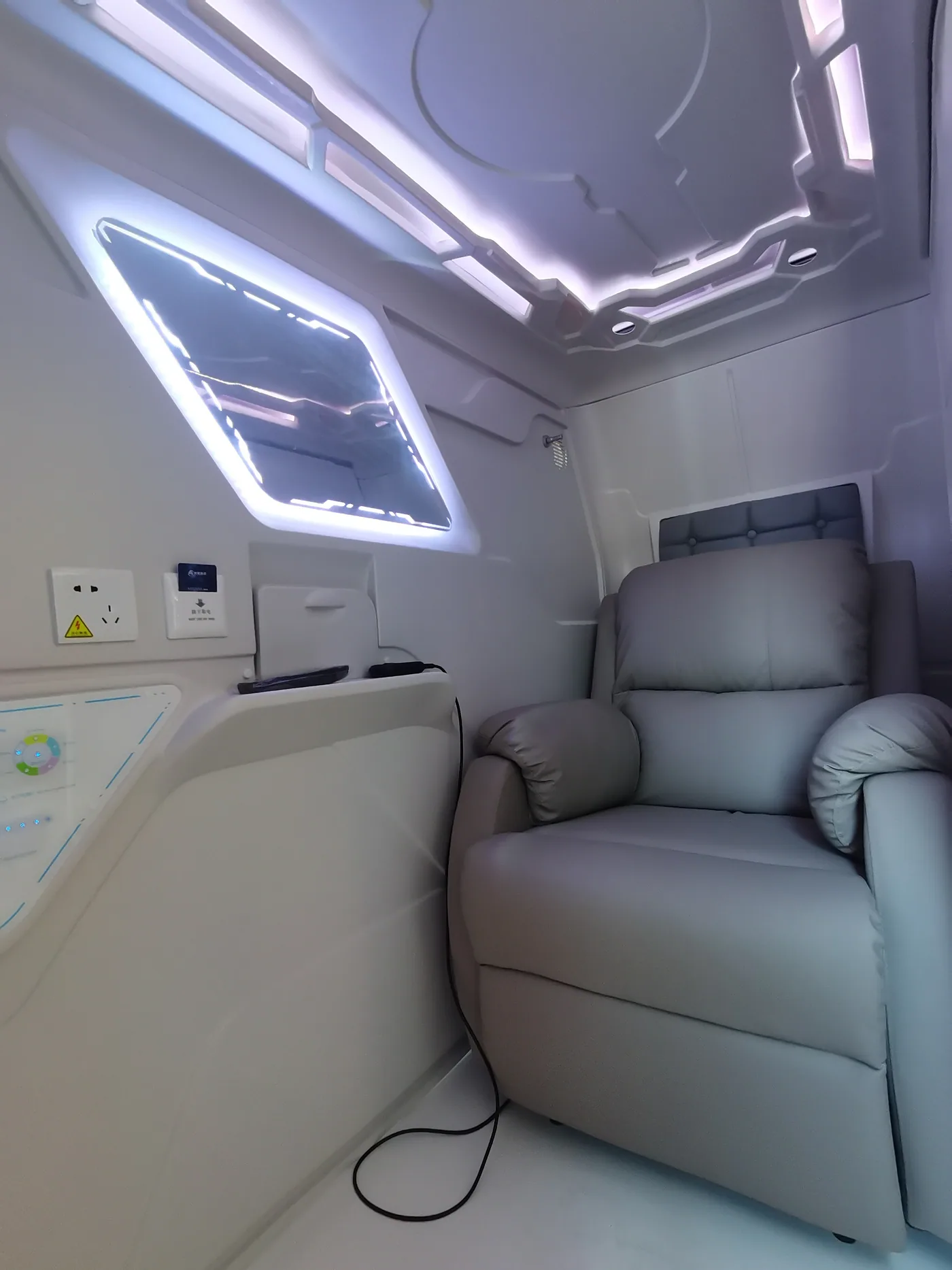
Walk through the sample with a configuration schedule in hand. Mark each item as included, excluded, optional or buyer-supplied. Cover the entrance and privacy system, controls, lights, charging points, sockets, fans, mattress, loose hardware and any selected accessories. Record quantities per pod or per set so that an accessory shown once in a photograph is not assumed to be included everywhere.
Check the exact equipment tier. In the GY81 specification PDF, entrance arrangements and items such as the electronic safe vary by model tier. This is a practical reason to use full model codes and a signed schedule rather than a showroom photo as the order description.
Confirm the destination electrical configuration and the agreed function-check procedure with the supplier and responsible project professionals. If the bulk order differs from the sample, list the difference explicitly. The sample may have demonstrated the controls while leaving the final plug, labelling or accessory package undecided.
4. Identify the approved sample version and changes
Give the approved sample a unique reference. Record its model, review date, photos, drawing revision, configuration revision and the names of the people who approved it. State whether approval followed a physical inspection, a video review or document review. Those methods provide different evidence; the approval record should say what was actually checked.
Create a short sample-to-bulk difference list. Perhaps the reviewed sample used a temporary number plate, a different colour or an accessory that will be omitted. Each difference needs a clear final instruction and approval. An approval with unresolved comments should not silently become an instruction to manufacture everything exactly as seen.
Keep the reference sample or agreed reference parts identifiable, and agree who holds them. Establish a change process for later component replacements, finish changes or drawing updates: describe the change, review its effect on fit, functions, evidence, price and schedule, then record approval. Make sure the factory and inspector receive the same final revision.
5. Agree permitted deviations and how to measure them
Do not insert a generic plus-or-minus value because it looks familiar. A useful tolerance belongs to a defined feature and measurement method. Ask the supplier to propose achievable limits for the critical dimensions and interfaces, then have the relevant project team review whether those limits work for the installation.
The confirmation should identify the feature, target value, permitted range, unit, measurement points and inspection condition. State whether the measurement applies to an assembled pod, a loose panel or a packed component. For appearance, agree the reference and viewing conditions, together with examples of acceptable and unacceptable finish where practical.
Leave any unagreed limit marked “To be agreed” and assign an owner and due date. Do not treat a blank box as unrestricted variation. Critical fit or function requirements should be resolved before the affected work is released. This article and its downloadable checklist prescribe no numerical tolerance; the values must come from the selected product and written order agreement.
Put the ten confirmations in one place
Use the blank one-page capsule bed order checklist to reference approved documents and track unresolved items. It does not replace the specification or inspection record.
Download the confirmation checklist6. Approve packaging with relevant photos
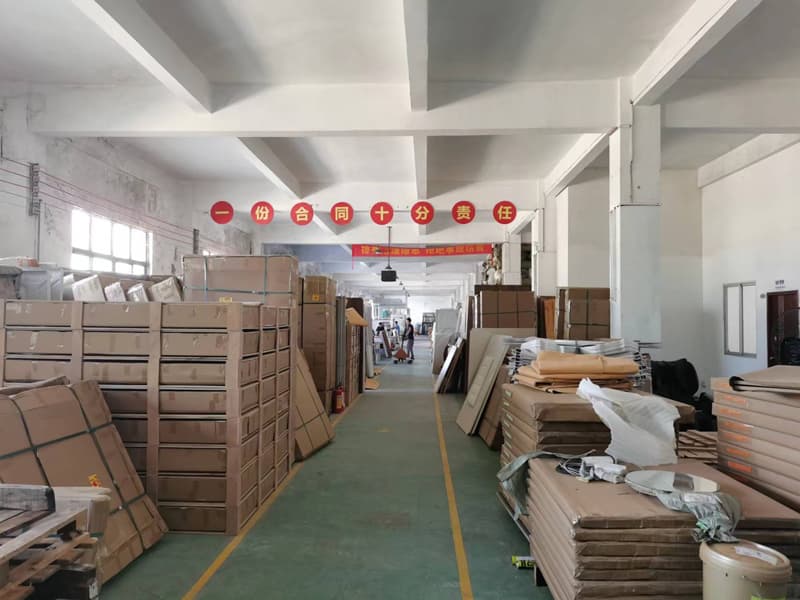
Request a capsule bed packaging specification for the actual model, shipment method and destination handling plan. Confirm the breakdown into packages, protection of visible surfaces and vulnerable parts, loose-accessory containment and the method used to identify matching components. Agree package dimensions and gross weights through the order packing data, rather than estimating them from a warehouse image.
Ask for photos showing the packing sequence: exposed component condition, internal protection, secured accessories, closed package and readable shipping marks. Link these references to the packing revision. A general factory photo can help explain the setting, but it cannot prove what is inside a carton or whether your order uses the same protection.
Check how the goods will move from the unloading point to the installation area. If packages must be opened outside the room, identify who will protect and track the parts afterwards. Agree the evidence needed to record visible transport damage and missing packages at receipt, together with the reporting route.
7. Sign off labels and the packing-list structure
Approve label artwork before printing. Distinguish package shipping marks, model or part identification, installation labels and guest-facing operating information. Check the language, model codes, quantity basis and numbering sequence against the order schedule. If different rooms or floors receive different configurations, make the identification usable by the receiving team.
Agree how each package connects to the packing list and which identifiers will be used in the inspection record and later support requests. Avoid marks that identify only the project while leaving the contents unclear. The installer needs to distinguish a complete pod package from an accessory box or a group of panels.
Check the scope of any certification-related mark before approving artwork; do not add badges for appearance. Have the responsible supplier and destination project advisers confirm the applicable wording and evidence. Retain the approved artwork revision so a late label change does not contradict the supplied configuration.
8. Agree the pre-shipment acceptance form before production
Ask for the actual pre-shipment inspection checklist and acceptance form proposed for this order. It should identify the order, model, sample reference, specification revision, inspected units, date and inspector. For each check, it should record the requirement, method, observed result, pass or fail outcome and any corrective action. A generic list of checks is not evidence that a shipment passed.
Agree which checks cover dimensions, appearance, assembly, selected functions, accessories, labels and packing. Define the sampling approach and how defects affect acceptance before inspection starts. Do not assume a particular sample size or acceptance threshold applies simply because it appeared on another supplier’s form.
Set out who reviews the result, who can authorize shipment, and how failed checks are corrected and rechecked. Keep factory pre-shipment acceptance separate from receiving checks and site installation acceptance. Each covers a different stage, and none should be confused with destination building approval.
No completed order-specific acceptance form is presented with this article. The accompanying one-page checklist is a blank confirmation tool, not an inspection report. Obtain the supplier’s proposed form, agree its criteria and retain the completed record for the actual order.
9. Define delivery milestones and their starting conditions
Ask what starts the agreed production period. The trigger might depend on drawing approval, configuration confirmation, a commercial milestone or more than one condition. Record the actual agreed trigger rather than starting the clock from a casual message saying the sample looks good.
Separate production completion, inspection, correction of findings, packing, readiness for collection, shipment departure and destination arrival. Identify which dates the supplier commits to and which remain estimates. Also record the delivery boundary and responsibilities for freight coordination, unloading and installation so that “delivery” has a shared meaning.
Build the project schedule around those defined milestones and the inputs each party must provide. Confirm how approved changes affect the dates and who reports a delay. No standard production period or guaranteed arrival date is stated here: the schedule needs a written order-specific commitment and current logistics confirmation.
10. Confirm after-sales support and release the order file
Agree the warranty scope and starting event, exclusions, claim process and responsibility for parts, freight, labour and on-site work. Ask which installation instructions, operating guidance and spare-parts references will accompany the goods. Do not assume that a replacement part includes local fitting or international freight unless the terms say so.
Identify the commercial and technical contacts and the information they need to investigate a fault: order reference, model, part identifier, photos and a description of the issue. Agree any support response targets in writing. Confirm proposed spares against the final equipment revision rather than buying a generic accessory kit.
Bring the ten checks into one controlled order file. Use the one-page capsule bed order checklist as its cover sheet and reference the detailed attachments by document number and revision. Both parties should be able to find the same approved specification, sample record, packing evidence, label artwork, acceptance plan, schedule and support terms.
Close unresolved items or document their scope, owner and due date before authorizing the affected work. Keep the signed confirmation with the purchase order, and make later changes traceable. That gives production and inspection a clear reference when the original sample is no longer in front of everyone.
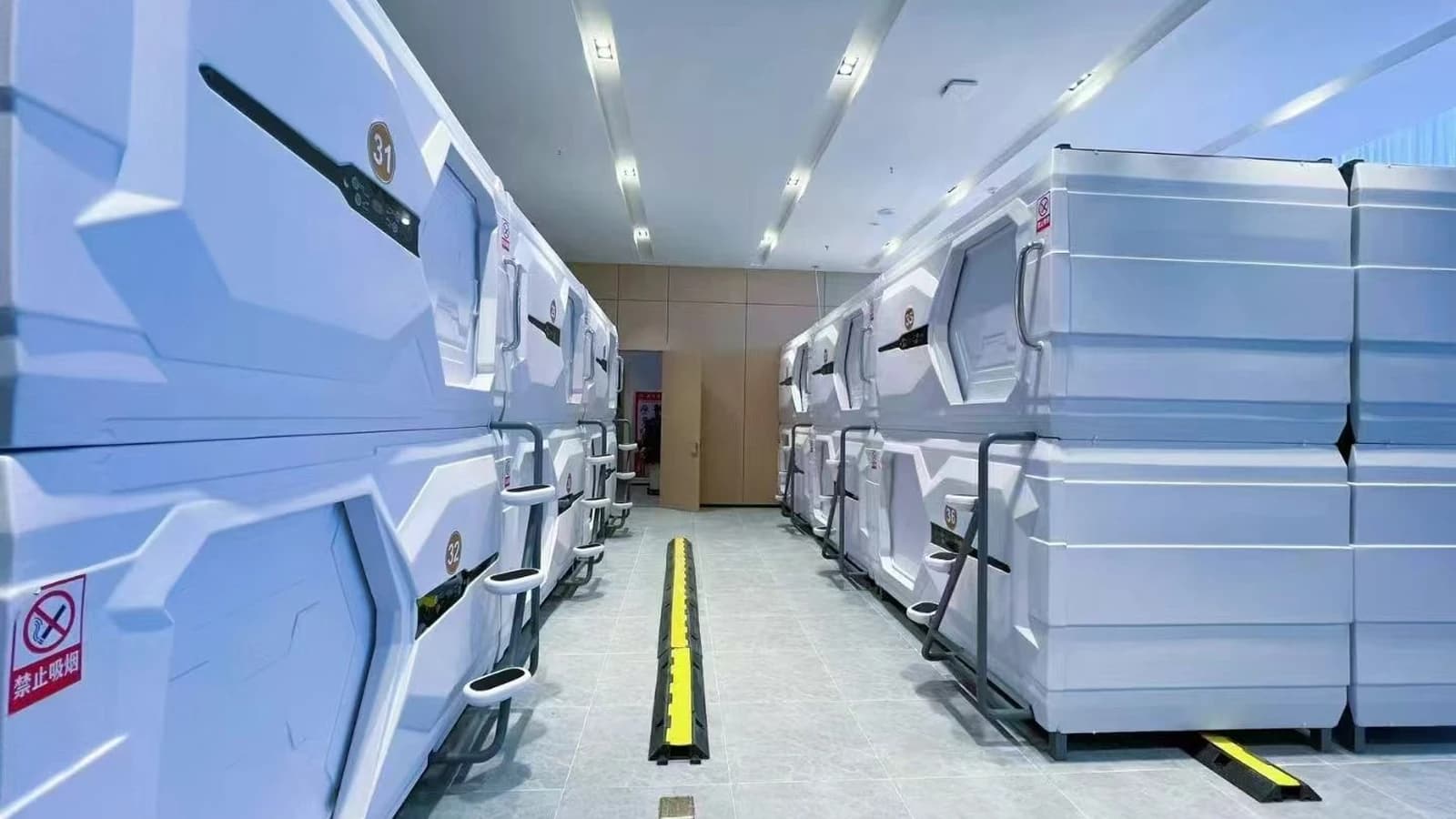
Approve a repeatable specification, not just one good sample
Sample approval is valuable when the bulk order preserves exactly what was reviewed and makes every intended difference visible. Confirm the ten items with dated references, agreed acceptance criteria and clear responsibilities. If a tolerance, packing detail or delivery commitment is still undecided, keep it visible until the responsible parties resolve it.
Prepare your bulk-order confirmation with GEELYE
Share your approved sample reference, selected models, quantity and destination, together with any open requirements. Ask for the matching specification, order packing photos and proposed acceptance form.
Frequently asked questions
Does approving a capsule bed sample approve the bulk order automatically?
No. Record what was reviewed and link the sample to the final model, drawing, configuration and difference list. Bulk production should follow the written order requirements and approved revisions.
Which documents belong in a capsule bed order checklist after sample approval?
Include the approved specification and drawing, material and configuration schedules, sample approval and changes, agreed deviations, packing and label references, acceptance plan, delivery milestones and after-sales terms. Identify each document by date and revision.
What dimensional tolerance should I specify for capsule beds?
There is no universal value supplied by this checklist. Agree limits for defined features with the supplier and responsible project team, including the measurement method and condition. Catalogue dimensions alone do not establish permitted deviation.
Are packaging photos enough to approve a capsule bed shipment?
No. Photos should support the agreed packing specification and identify the actual order or approved reference. Review them alongside package counts, packing-list references and completed inspection records; a warehouse image cannot establish package contents or shipment acceptance.
When should bulk capsule bed lead time start after sample approval?
From the event or combination of conditions agreed in writing for that order. Define production, inspection, packing and shipment milestones separately, and distinguish readiness for collection from arrival. Sample approval alone does not establish a delivery commitment.