
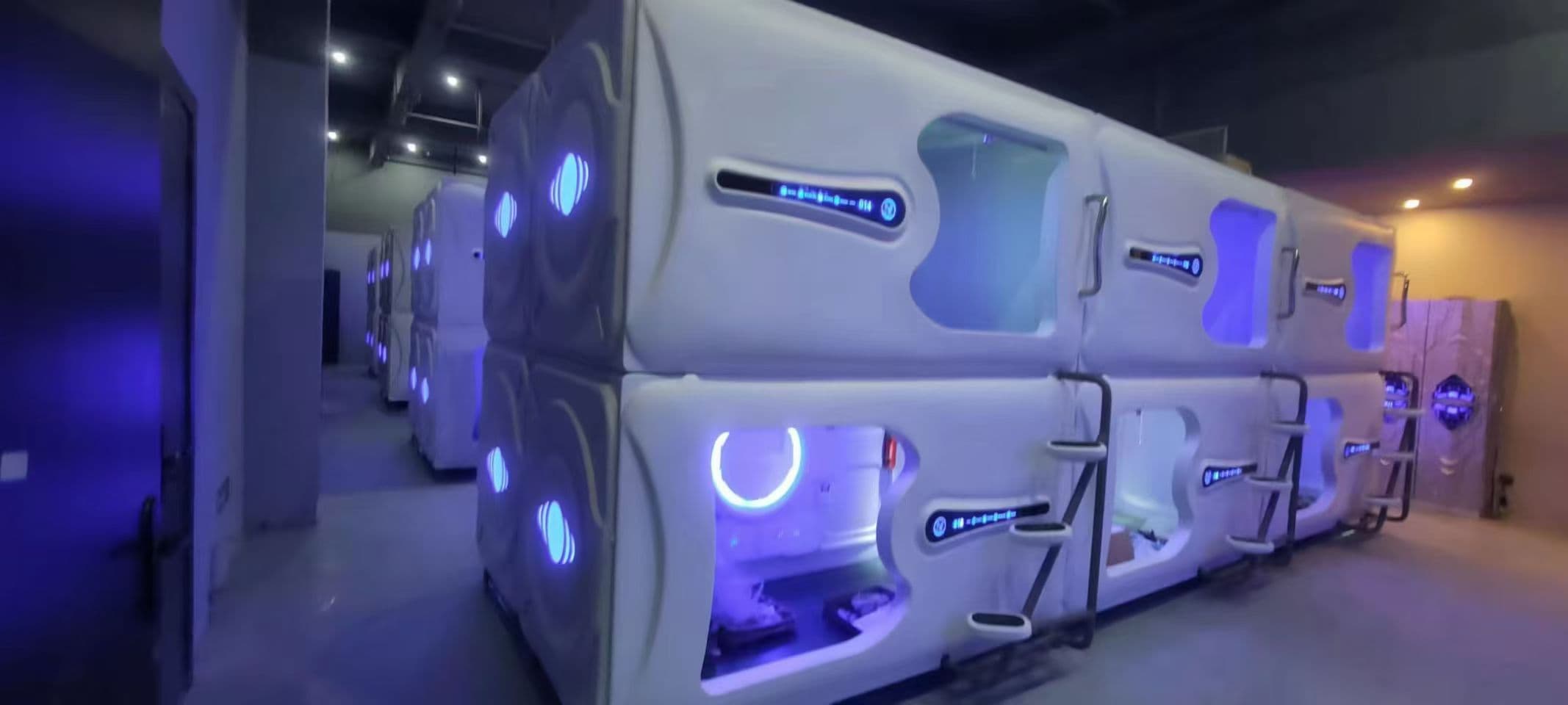
Capsule bed maintenance starts before a fault occurs
A capsule bed is part guest room, part fitted product and part operating system. The shell, frame, entrance, lighting, airflow components, controls and charging equipment meet in one compact space. When one small item fails, the commercial consequence can be larger than the component price: the pod may stop earning revenue, staff may move a guest, and an overseas shipment may cost more than the replacement itself.
Create a unit register during commissioning. Give every pod a site number and connect it to its model, order reference, drawing revision, electrical configuration and installed position. Photograph the finished unit and record any approved site changes. When a fault appears months later, that register turns a message such as “the light in room three is broken” into a traceable service request.
- Assign a unique site number to every pod
- Record model, order reference, configuration and installation location
- Keep manuals, wiring information and approved cleaning guidance accessible
- Name the people permitted to inspect, isolate and repair each component type
- Use one fault log for symptoms, actions, parts and return-to-service approval
What can wear, loosen or fail in a commercial capsule bed?
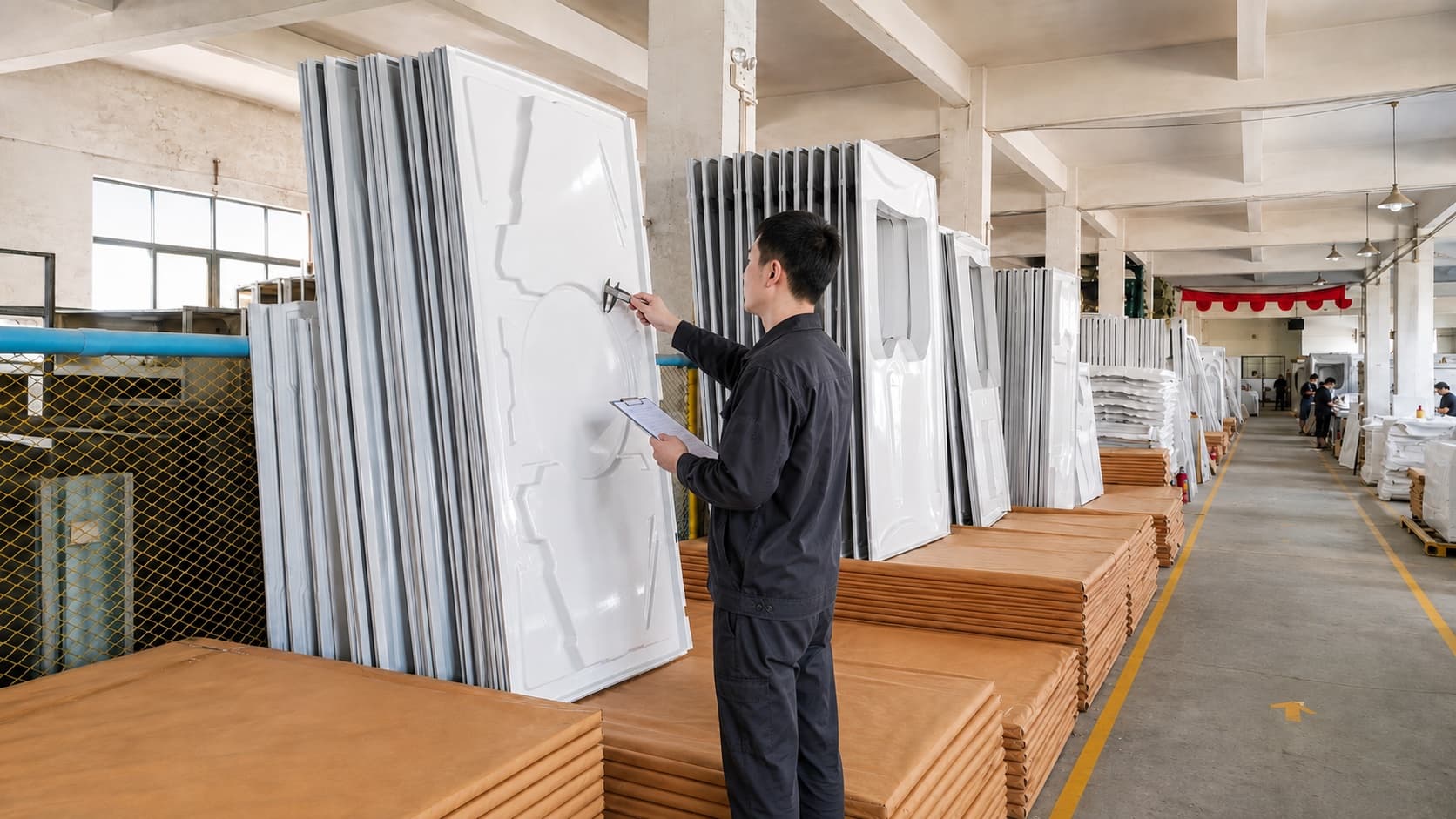
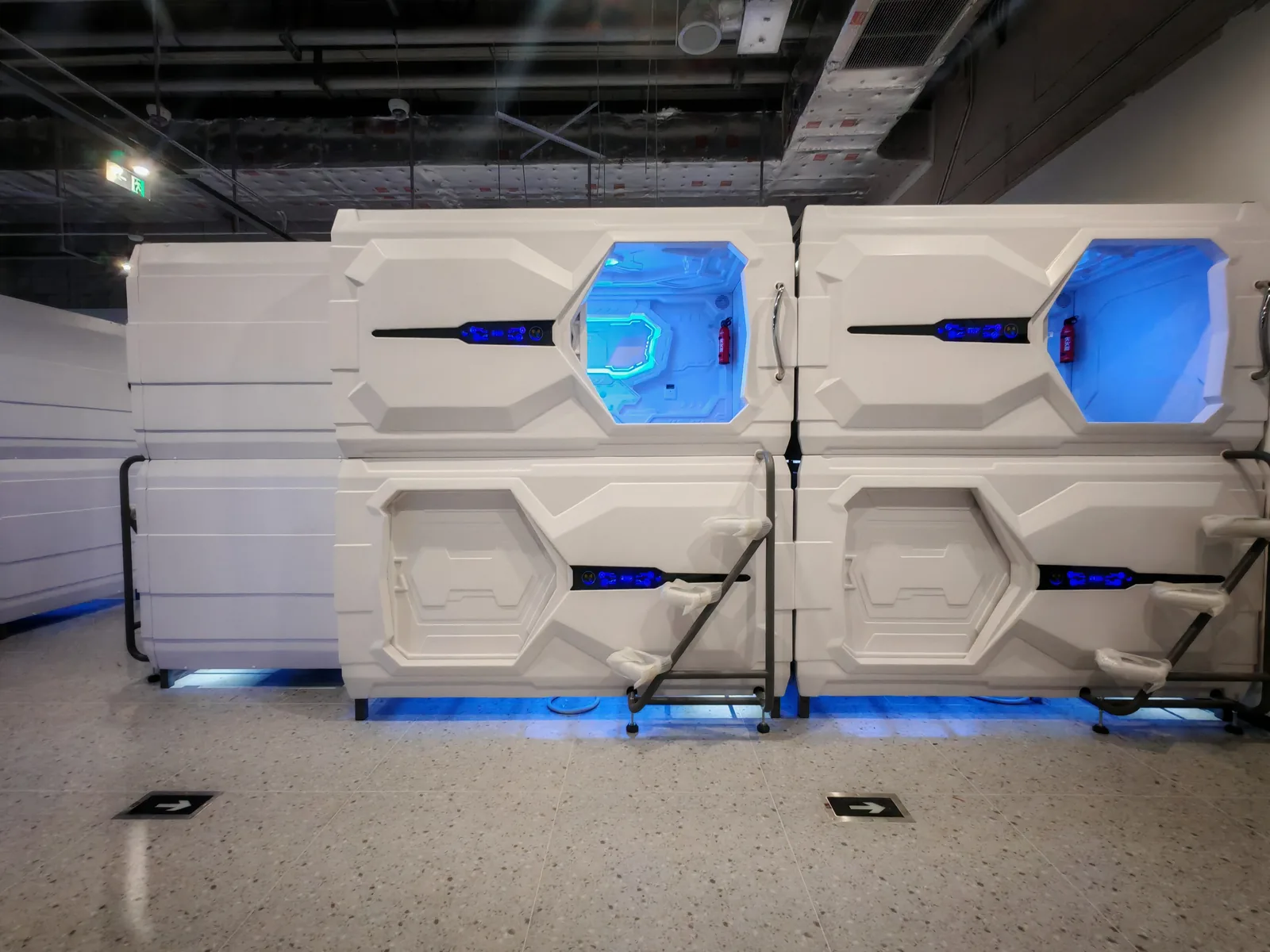
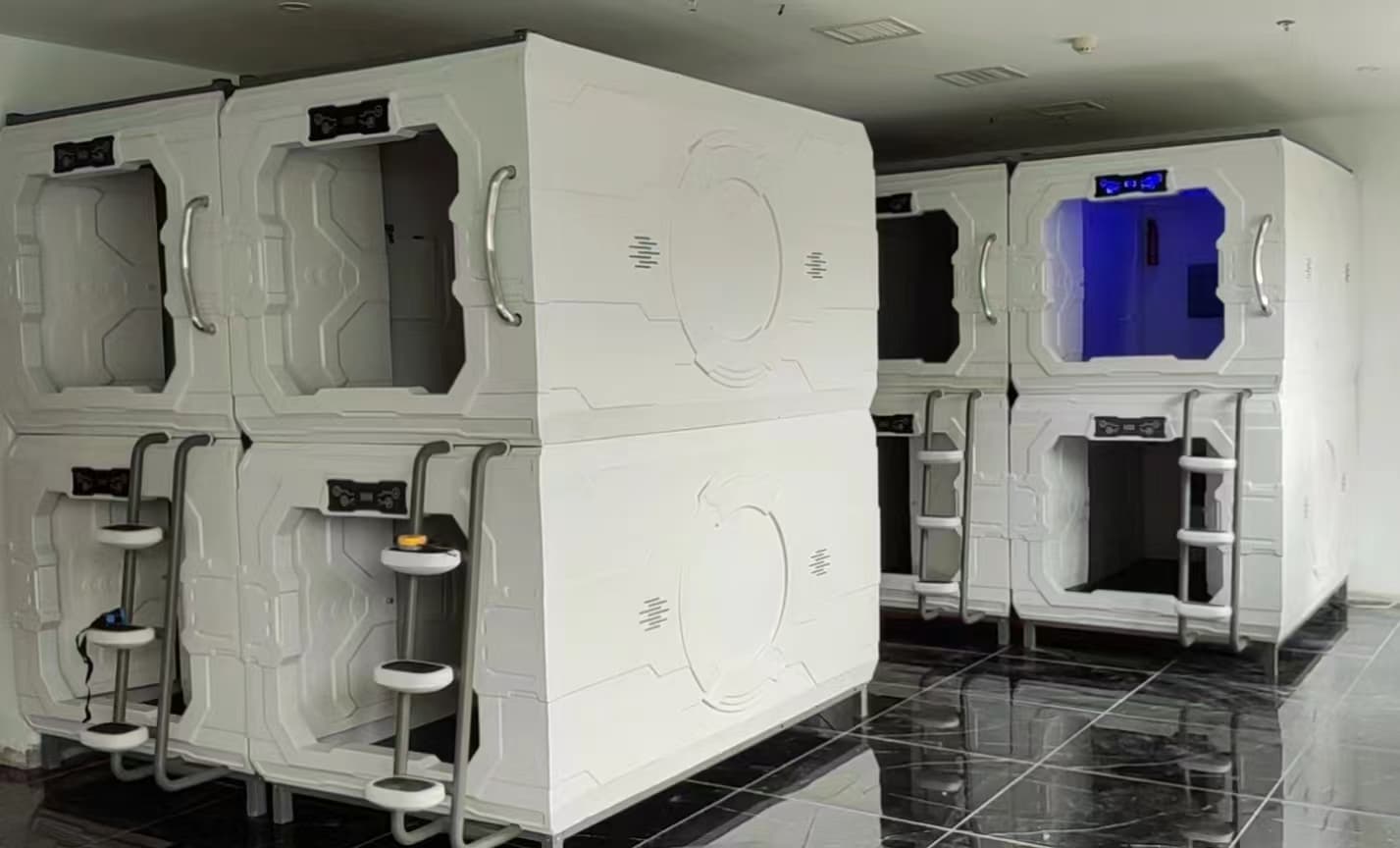
Maintenance planning becomes easier when components are grouped by function. Guest-touch hardware includes handles, hinges, latches, curtain tracks, ladders and trim. Interior equipment may include lamps, fans, switches, control items, sockets and charging ports. The enclosure includes shell or wooden panels, access covers, fasteners, seals and finish materials. The exact list is model-specific; a photograph of one capsule should never become the spare-parts schedule for another.
Inspect relationships, not just isolated parts. A door that no longer closes may have a loose fitting, a shifted panel or an obstruction. A fan that sounds unusual may be dirty, physically blocked or receiving an incorrect command. Replacing the most visible item without identifying the cause can waste a spare and leave the real fault behind.
| Component group | Examples | What the operator should confirm |
|---|---|---|
| Guest-touch hardware | Handles, hinges, latches, curtain tracks and ladders | Fastening, movement, damage and safe access |
| Interior equipment | Lamps, fans, switches and control items | Function, noise, heat, damage and correct response |
| Electrical interface | Sockets, charging ports, cables and connections | Destination configuration, isolation method and qualified service boundary |
| Enclosure and finish | Shells, wooden panels, covers, trim and touch-up materials | Cracks, looseness, sharp edges, cleaning compatibility and part identity |
| Labels and records | Pod number, rating label, diagrams and service log | Legibility, revision, traceability and access for technicians |
Use a five-step fault triage before ordering a return
The first response should protect people and preserve evidence. If there is electrical damage, unusual heat, smoke, a burning smell, water exposure, a sharp edge, loose access equipment or uncertain structural condition, take the pod out of service and follow the site's approved isolation procedure. Do not keep selling the unit while waiting to see whether the symptom becomes worse.
Next, identify the exact unit and describe what happened without diagnosing by guesswork. Record what the guest or staff member observed, when it occurred, whether the symptom is constant or intermittent, and what approved checks were completed. Clear photographs, a short video with sound, control indications and the site power information can help a supplier distinguish a configuration question from a failed component.
1. Make the unit unavailable
Block the pod in the property system, place a clear physical notice, protect the guest area and prevent an informal handover to the next shift.
2. Isolate an unsafe condition
Follow the approved site procedure. Electrical isolation and technical work must be handled by competent persons under the applicable manual and local requirements.
3. Identify the pod and configuration
Record the site number, model, order reference, fitted options, location and any previous repair or approved modification.
4. Capture symptoms and evidence
Use plain observations, photographs and video. Note control indications, sounds, odors, visible damage, environmental events and the checks already completed.
5. Select and approve the remedy
Match the action to the service boundary: staff reset, local maintenance, qualified technical work, supplier diagnosis, replacement shipment or component return.
Need a service plan for your selected capsule model?
Share the model mix, quantity, destination and operating scene. GEELYE can help identify the configuration details needed for a maintenance and spare-parts discussion.
Discuss Your ProjectWhich repairs can stay local—and which need escalation?
There is no universal list of hotel-staff repairs. Access, voltage, construction and approval requirements differ by model and destination. The operating manual, project documents, warranty terms and local rules take priority. The table below is a decision framework, not a repair instruction.
| Observed condition | First action | Likely owner | Evidence to retain |
|---|---|---|---|
| Loose non-electrical trim with no sharp edge | Stop use if guest contact is unsafe; inspect against the manual | Trained site maintenance if approved | Pod ID, photos, fastener or part ID and completed action |
| Lamp, fan, switch or control does not respond | Check only the approved operating steps; do not open live equipment | Qualified technician with supplier guidance | Video, control state, configuration, site supply and prior history |
| Socket damage, unusual heat, odor, smoke or water exposure | Remove from service and isolate through the site procedure | Qualified electrical personnel and supplier | Photos, event time, isolation status and surrounding conditions |
| Cracked shell, damaged panel or sharp edge | Prevent access and assess the affected assembly | Supplier and competent installer or repair specialist | Wide and close photos, dimensions, location and suspected impact |
| Entrance, ladder or structural connection feels unstable | Block the pod immediately | Competent installer or structural service personnel with supplier review | Video without loading the item, connection photos and installation record |
| Same symptom returns after an approved repair | Stop repeated part swapping and reopen diagnosis | Supplier technical contact and qualified local technician | Complete service timeline, replaced parts and test results |
Build an opening spare-parts kit around consequence and lead time
A generic spare-parts box can create false confidence. A lamp with the wrong connector, a control item from an earlier revision or a finish that does not match the installed panel may be unusable. Build the opening kit after the final model, equipment package and drawing revision are approved. Label every supplier-specific part with its part name, applicable model, revision and storage requirement.
Prioritize each item using three questions: if it fails, does the pod close; how long will an approved replacement take to reach the property; and how many installed units share that component? A small supplier-specific control item with a long international lead time may deserve more attention than a large panel that rarely affects operation. Standard local hardware may be sourced near the hotel, but substitutions should be approved where fit, electrical rating, finish or warranty could be affected.
| Spare category | Planning question | Typical treatment |
|---|---|---|
| Locally available standard item | Can an approved equivalent be sourced and verified near the hotel? | Document the specification and approved source |
| Compact supplier-specific item | Would its failure close a pod while international delivery is arranged? | Consider opening stock tied to model and revision |
| Finish or appearance item | Will a mismatch be visible across the room? | Retain approved samples, color references or touch-up materials |
| Large or low-exposure component | Is on-site storage practical and is failure likely to close the unit? | Agree a supply route rather than stocking automatically |
| Safety-related component | Who may diagnose and replace it under local rules? | Control access and require qualified service approval |
Create a preventive maintenance schedule the team can follow
A useful schedule follows operating events and the model documentation. At guest turnover, housekeeping can observe entrances, interior surfaces, controls and obvious damage while completing the approved cleaning sequence. A separate planned inspection can cover fasteners, access points, fans, lights, labels and other items named in the maintenance instructions. After impact, water exposure, unusual heat, a power event or an unapproved guest action, the affected pod deserves an exception check before it returns to service.
Make the record short enough to be used. The form should capture pod number, date, observer, condition, action, part used, photographs when relevant and the person who approved return to service. Use the history to spot repeated faults by component, room location, shift or operating condition. Patterns can reveal a cleaning issue, training gap, site condition or configuration question that a one-off part replacement would miss.
| Trigger | Check focus | Required record |
|---|---|---|
| Guest turnover | Visible damage, entrance, guest controls, unusual odor or noise and cleaning condition | Exception noted against pod number |
| Planned rotation | Model-specific hardware, access points, lamps, fans, labels and approved functional checks | Completed checklist and follow-up owner |
| Abnormal event | Impact, water, overheating, power event, misuse or nearby building work | Event description, isolation status, photos and approval |
| Part replacement | Correct identity, installation, test result and removed-part disposition | Part number, technician, date and supplier case if applicable |
| Seasonal reopening | Condition after storage or closure and all required commissioning checks | Reopening inspection and sign-off |
Preparing an opening spare-parts list?
Send the confirmed model and equipment schedule so the parts discussion can follow the actual order rather than a generic checklist.
Request Parts Planning SupportMake warranty diagnosis easier across borders
GEELYE's current product information states a two-year warranty for the relevant capsule bed ranges. The exact coverage, starting point, exclusions and remedy belong in the quotation and warranty terms for the confirmed order. Operators should also clarify who pays freight and local labor, whether remote diagnosis is required before parts are sent, and whether a removed component must be returned.
A useful warranty request identifies the order, model, pod number and affected component. Add the installation or commissioning date, first symptom, operating conditions, photographs or video, site electrical information when relevant, prior service work and any modifications. State whether the unit has been isolated and whether the issue affects one pod or several. This information helps the supplier assess scope and choose the next diagnostic step.
- Order number, model, pod number and installed location
- Commissioning date and date the symptom first appeared
- Plain description, photographs, video and control indications
- Relevant site supply, environmental event and operating context
- Previous service work, parts fitted and any approved changes
- Current isolation status and the number of affected units
- Requested next step: diagnosis, part identification, replacement or return authorization
Calculate downtime cost before choosing the cheapest repair path
Part price is only one line in the decision. A hotel can estimate the commercial effect with a planning formula: unavailable pod-nights multiplied by expected occupancy and achievable pod rate, plus guest recovery, staff labor, freight and technical service. Use the property's own figures; this formula is a management tool, not a GEELYE performance claim.
Set decision thresholds in the service plan. A safe documented reset may be immediate. An approved local standard item may be purchased nearby. A supplier-specific component may come from opening stock. A component return may be justified when technical analysis or warranty recovery has more value than freight and closure. Safety and evidence still outrank the cost calculation; a low-cost shortcut is not acceptable when the fault boundary is uncertain.
| Repair path | Costs to include | Decision check |
|---|---|---|
| Approved operating reset | Staff time and verification | Is the step documented and is the pod safe to release? |
| Approved local item | Part, technician, testing and record update | Does the item match the required fit, rating and warranty conditions? |
| Opening spare | Inventory, storage, replacement labor and replenishment | Is the part correct for the installed revision? |
| Supplier shipment | Part, courier, import handling, labor and pod closure | Can evidence confirm the part before dispatch? |
| Component return | Outbound freight, packaging, administration and downtime | Will inspection or warranty recovery justify the return? |
Settle the service questions before placing the order
Finally, connect maintenance with room planning. Keep access panels reachable, preserve working space, protect labels and avoid site changes that block airflow or service points. Train operations, housekeeping and technical staff on their separate roles before opening. A capsule hotel does not need every employee to become a repair technician; it needs every employee to know the correct next action.
- Which parts are standard locally and which are supplier-specific?
- Which tasks may trained hotel staff complete, and which require a qualified technician?
- What opening spares suit the final model mix and delivery route?
- How are parts identified when product revisions change?
- Which evidence is required before a warranty remedy is approved?
- Who covers freight, local labor, travel, duties and component returns?
- How will manuals, drawings and service records be handed to the operator?
- Which access clearances must remain available after installation?
Reduce downtime by making the decision before the fault
Capsule bed maintenance is not a contest to keep the largest box of spare parts. It is a decision system. Accurate unit records, a safe triage path, clear service boundaries, model-specific parts and written warranty responsibilities let hotel teams move quickly without guessing.
Before opening, walk one sample fault through the complete process: guest report, pod closure, isolation, evidence, supplier contact, part identification, local work, functional check and return to service. If any handoff is unclear, fix the process while every pod is still operating. That preparation is usually worth more than the freight label you never need to print.
Related GEELYE resources
Plan maintenance before your capsule beds ship
Tell GEELYE your destination, quantity, model interest and operating plan. We can discuss configuration records, installation support and model-specific spare-parts requirements for the proposed order.
Frequently asked questions
What spare parts should a capsule hotel keep on site?
Build the list around the confirmed model and equipment revision. Candidate categories may include selected hardware, lamps, fans, switches, control items, labels and touch-up materials. The right items and quantities depend on pod count, usage, local supply, replacement lead time, storage and the consequence of a failure; there is no universal kit for every capsule hotel.
Can hotel staff replace capsule bed parts locally?
Only within the service boundary defined by the model documents, operator training, warranty terms and local requirements. Hotel staff can report faults, stop use and perform approved observations. Documented maintenance tasks may be assigned to trained staff, while electrical work, structural concerns and unclear repeated faults should be handled by competent technicians with supplier guidance.
Does a broken capsule bed component need to be returned to the manufacturer?
Not automatically. First identify the exact component and provide diagnostic evidence. The supplier may approve a local remedy, ship a replacement, request additional testing or issue a return authorization. Compare freight and downtime with the value of inspection or warranty recovery, but never discard a component until its disposition is agreed.
How should a hotel calculate capsule bed downtime cost?
Use the property's own figures: unavailable pod-nights multiplied by expected occupancy and achievable pod rate, then add guest recovery, staff labor, freight and technical service. Treat the result as a planning estimate and compare it with the cost and lead time of each approved repair path.
What information is needed for a capsule bed warranty request?
Provide the order number, model, pod number, installed location, commissioning date, symptom timeline, photographs or video, relevant site conditions, prior service work, fitted parts, modifications and current isolation status. GEELYE states a two-year warranty for relevant ranges, while exact scope, start date, exclusions and remedy follow the confirmed order documents.