
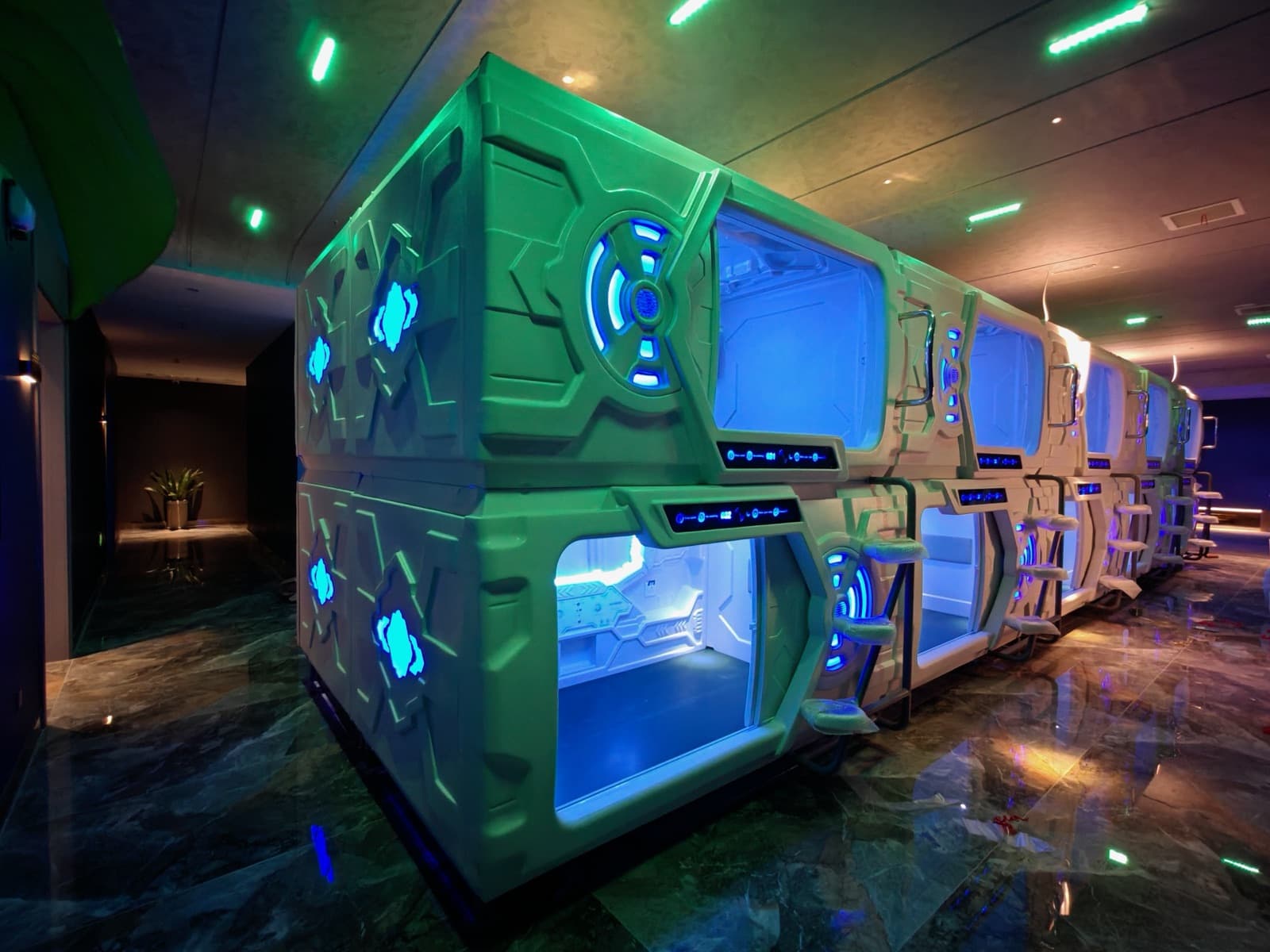
The first decision: protect people and establish one source of truth
The practical first question is not 'When will the grid come back?' It is 'Can guests and staff use this space safely now?' Use this capsule hostel power outage checklist as a site-specific record, not permission to keep an affected room open. Assign one incident lead and a backup. Give that person a paper or offline log with the outage start time, affected floors, names of staff on duty, utility reference number if available, and the next decision time. Reception, housekeeping and facilities should report into the same log. Conflicting verbal estimates create avoidable confusion.
Check whether anyone is trapped, needs medical help, cannot navigate a dark route or relies on an electrically powered aid. Follow the site's emergency plan and call local emergency services when immediate danger warrants it. Staff should know who can order a room closure or evacuation. A portable torch may help a trained employee inspect a route; it does not prove that the building's required escape lighting is working.
A power cut may affect one circuit, one room, a whole building or the surrounding district. Record observed facts separately from reports and assumptions. For example, 'front-desk computer off; corridor emergency lights visible; floor 2 ventilation status unknown' is more useful than 'systems fine.' If a safety-critical function is uncertain, treat it as unresolved until the responsible person verifies it.
- Name the incident lead, backup, facilities contact and guest-communication owner.
- Record the exact affected zones and the time of each observation.
- Check for people needing urgent assistance and keep a reachable staff point.
- Use the approved site evacuation and escalation plan when the required conditions are not met.
Capsule hostel power outage facility-status checklist
Build one status sheet that a night-shift manager can read quickly. Mark every line as working, failed, not yet checked or not installed. Add the checker, time and action needed. 'Not yet checked' should never silently become 'working' because the lobby lights came back. The matrix below is a planning prompt; the approved building design and local rules determine which systems are required at a particular site.
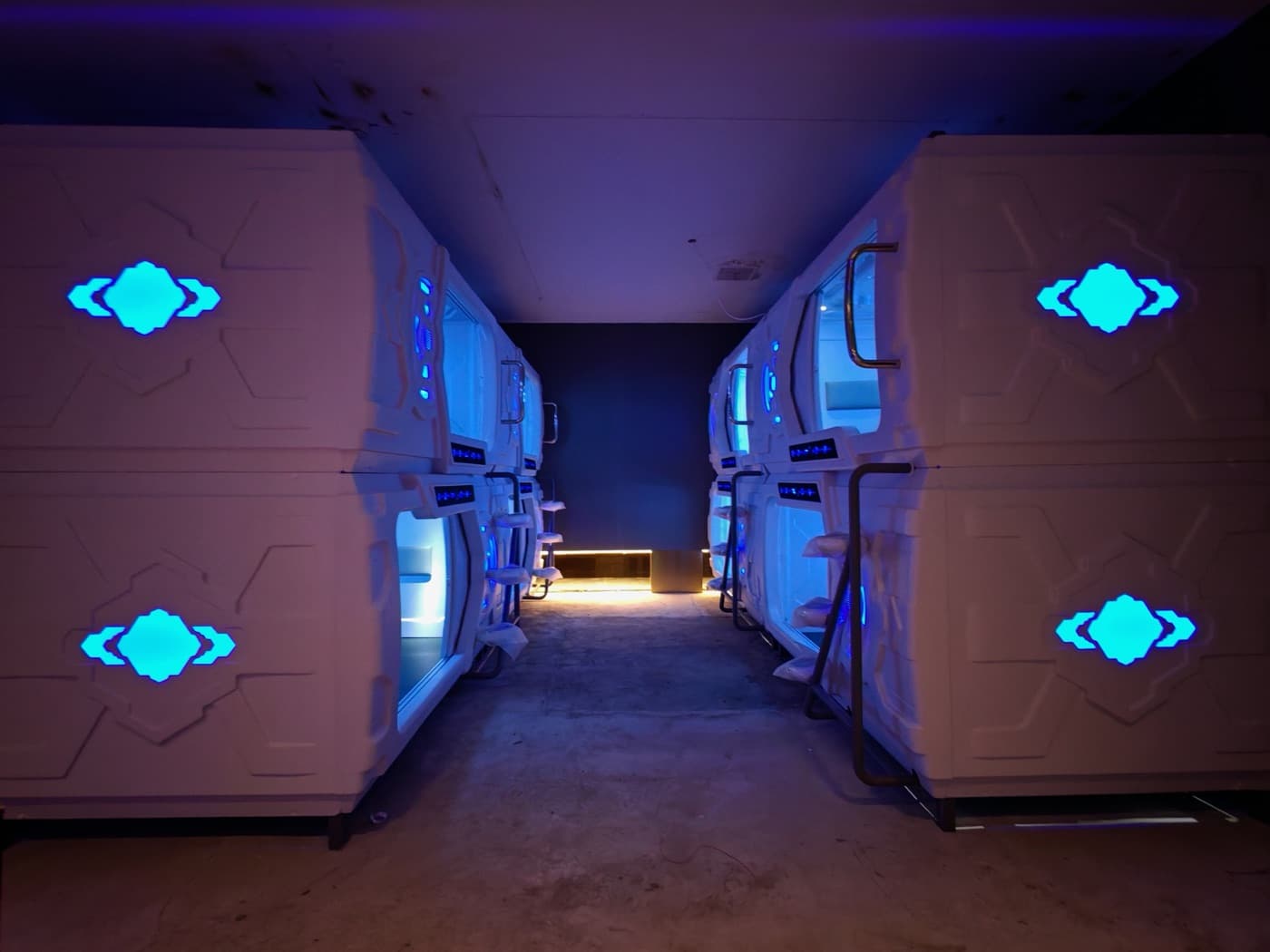
Start with the systems that protect movement and response: fire detection and warning, emergency escape lighting, exits, stairways, door release and staff communications. Then inspect water, toilets, lifts, heating or cooling, room ventilation, access control, point-of-sale and booking tools. A capsule's internal light or fan is only one part of the room condition. An internal fan must not be counted as proof that the room has adequate fresh air.
Where backup power exists, document exactly what it feeds and how long the approved design is intended to support it. Do not assume every socket, pod fan, router or lock is connected. Avoid connecting temporary generators or improvised wiring to guest areas. Generator location, exhaust, transfer equipment and electrical work need qualified local control; fuel-powered equipment can create carbon-monoxide danger in or near occupied spaces.
| System or zone | What to record | Owner or action |
|---|---|---|
| People and routes | Guest count, assistance needs, exits, stairs, aisle and upper-deck access | Duty manager; escalate any blocked or dark route |
| Life-safety systems | Alarm panel status, warning method, emergency lighting and door release | Qualified site lead; follow approved emergency plan |
| Building services | Room ventilation, temperature, water, toilets, lift and communications | Facilities team; mark unavailable areas |
| Pod and access functions | Entrance, privacy hardware, internal lights, fan, controls, charging and locks | Unit-by-unit check after safe access |
| Guest operations | Booking data, arrivals, occupied beds, refunds or transfers pending | Reception lead; maintain an offline list |
What to tell guests while facts are still changing
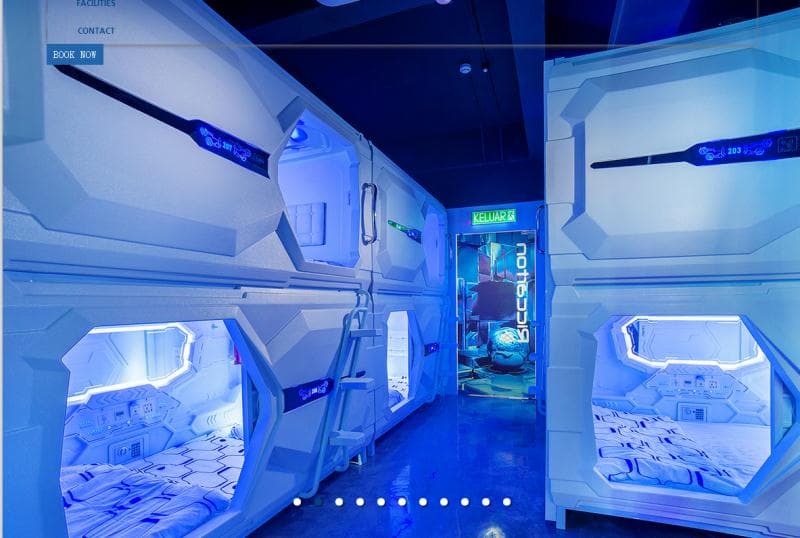
Guests need a useful answer before the operator has a repair estimate. The first message should state what happened in plain language, which facilities are affected, what guests should do now, how to reach staff, and when the next update is due. State 'restoration time is not confirmed' when that is the truth. A promised hour based on a rumor can damage trust and lead guests to make poor decisions.
Use at least one channel that works without the property's normal Wi-Fi or desk computer. Depending on the site, that may be staffed floor visits, a battery-powered phone, a printed notice at reception or a megaphone used under the emergency plan. Do not rely on a single app message when guests may have no signal or battery. Make the message readable for the guest languages the property normally serves and give a direct route to personal assistance.
Keep the guest note separate from the technical log. Guests need the present service status, not a guess about breaker faults. Say whether showers, toilets, lifts, air conditioning, card access, charging or check-in are available. If a part of the property is closed, say where guests should go and who will help with a move. When new information arrives, update the notice and its timestamp; remove or correct the old version.
- Date and time every guest update.
- Use one contact point for questions and requests for assistance.
- Mention affected services individually instead of saying 'everything is normal.'
- Tell arriving guests and booking partners the current status before assigning affected beds.
A short initial notice staff can adapt
'We are experiencing a power outage affecting [areas]. Staff are checking lighting, access and building services now. Please use [safe route or staffed point] and contact [staff location or number] if you need help. [Confirmed services] are available; [unconfirmed services] remain under review. We do not yet have a confirmed restoration time. Our next update will be at [time].' Fill every bracket with checked information before posting.
If the site has made an evacuation or closure decision, replace the routine update with the approved emergency instruction. Do not place optional guest comfort advice ahead of an urgent direction from the incident lead or emergency responders.
Check the pod, the room and the guest journey together
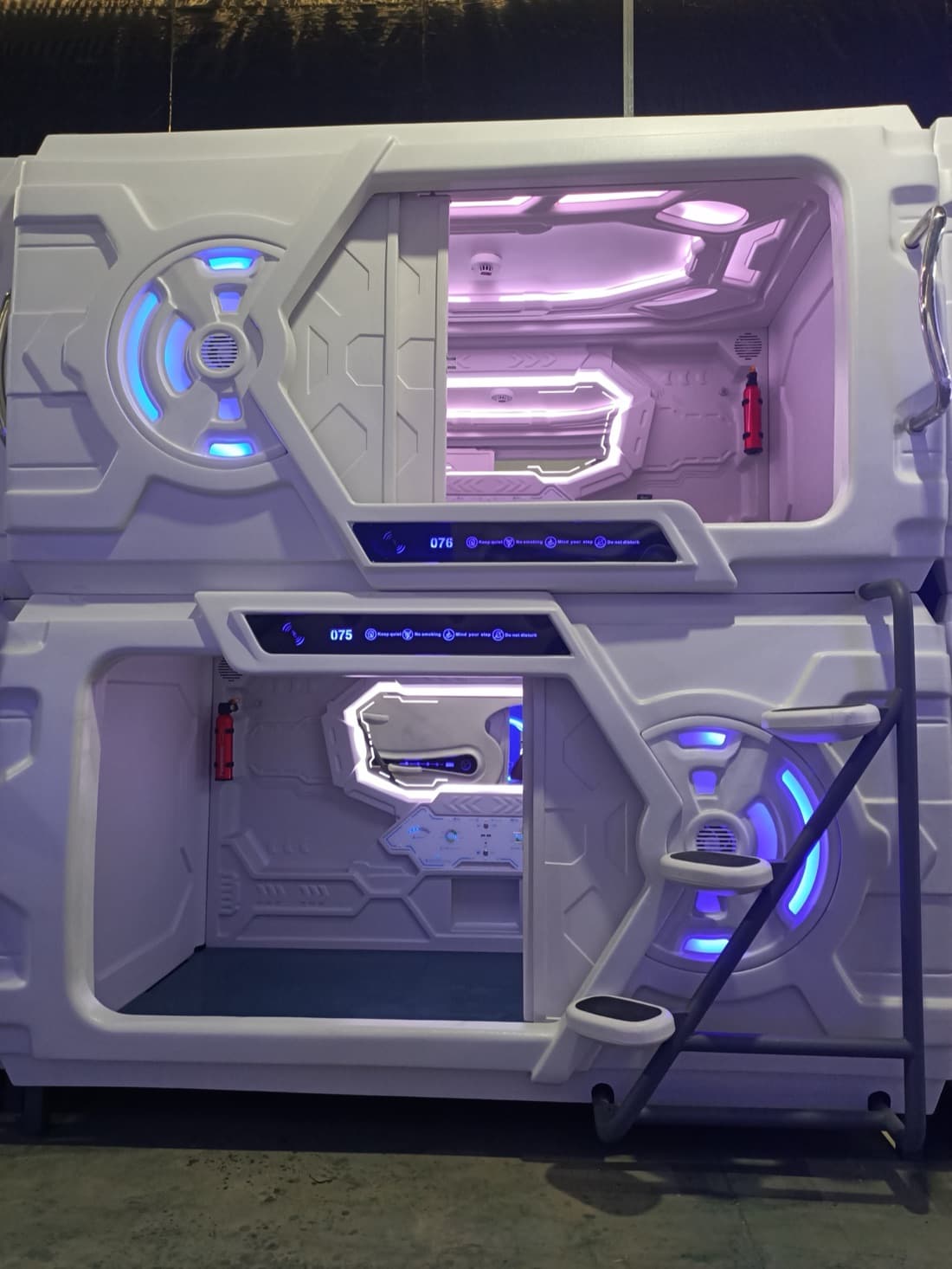
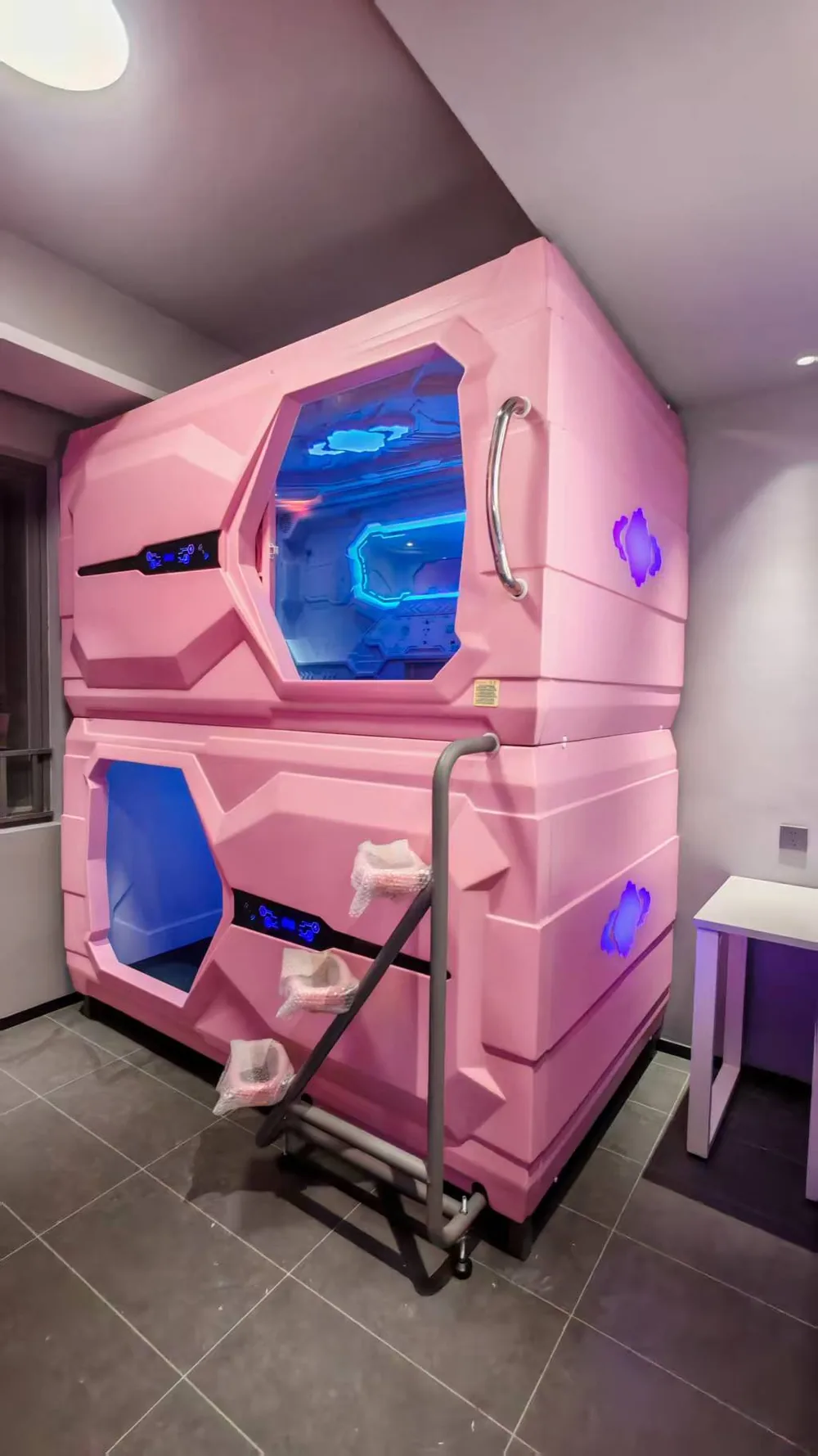
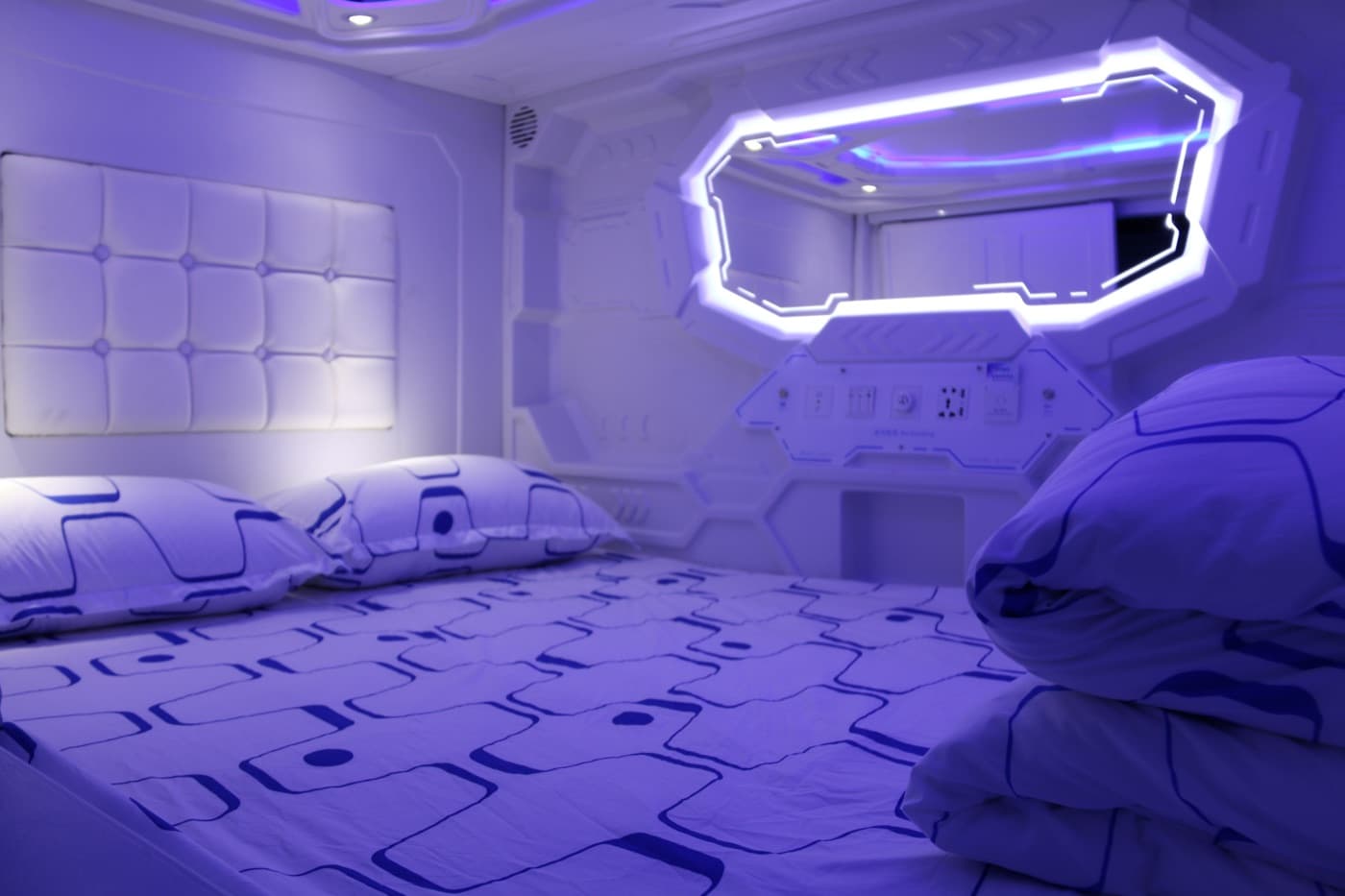
A capsule bed is not the complete accommodation system. Its electrical controls can be affected by an outage, while the room's ventilation, fire alarm, emergency lighting and exits belong to the installed building. Ask the facilities lead for the room-level status, then check the affected pod models against the supplied wiring and operating information. Do not infer a model's backup-power behavior from an illuminated photograph or from another installation.
For each occupied or bookable unit, record the pod number and check whether the entrance opens as intended without mains power. Check any powered lock or access control against the actual fitted configuration. Inspect the ladder and approach to an upper pod in the available light. Note any trip hazard, loose cable, water leak, unusual smell, heat, noise or visible damage. If the product or installation requires a specialist reset, isolate the unit and contact the appropriate technician rather than asking reception staff to improvise.
When power returns, test the functions guests will actually use: light, fan or air movement control where fitted, outlets, charging, information display and privacy hardware. A function that appears on for a moment may still fail when several units restart together. If a circuit trips, repeatedly resetting it without diagnosis can hide a fault. Keep affected pods out of inventory until their checks pass.
Map pod functions before a project opens
For a new or refurbished capsule hostel, request the selected model's electrical and service information, then review it with the local building team.
Ask for product informationWhen should the operator close beds or move guests?
The manager's decision should follow the site's approved emergency plan, the condition of the building and advice from qualified local people. There is no universal number of minutes after which a capsule room is safe or unsafe. A short outage with functioning protection may require a different response from a prolonged loss of ventilation, failed escape lighting or a door that cannot be released. Record the facts, decision maker, time and basis for each closure or reopening decision.
Stop assigning affected beds when staff cannot confirm a safe approach, usable exit, suitable room conditions or the required warning and lighting arrangements. Do not move guests into another wing merely because that wing still has decorative lighting; assess its actual occupancy, routes, services and staffing. If evacuation is required by the site plan or ordered by emergency responders, follow that direction immediately.
Guests may have different needs. A person using a mobility aid, a guest in an upper capsule, someone with a medical device and an arriving family may require different practical help. Avoid making the guest solve the building problem alone. Offer a named staff contact, explain available choices and record any move or refusal accurately. Commercial remedies such as refunds or alternative lodging follow the property's policy, booking terms and local law; do not promise a uniform outcome in an emergency notice.
- Hold affected inventory in the booking system or the offline room ledger.
- Assign staff to assist guests who cannot use their current bed or route.
- Confirm the receiving room has capacity and working essential services.
- Record room moves and notify the next shift without exposing private guest details.
Restore service in stages, not at the first flicker of light
The return of mains power begins a check; it is not the reopening decision. Ask the responsible facilities person to confirm the supply is stable and any faults have been assessed. Check the alarm panel, escape lighting, door release, ventilation, water and communications according to the approved site procedure. Some backup batteries may need recharge or a retest after an extended outage. The appropriate specialist should determine the acceptable state before the area returns to normal use.
Release rooms and pods in a controlled order. First confirm common routes and essential building systems. Next inspect the room environment and each affected pod or representative groups as required by the site plan. Then reconcile the guest ledger, booking channels and payment records with offline notes. Do not reopen sales to a bed that is still marked failed, and do not leave a relocated guest assigned to two places.
Give guests a restoration update with the same care as the outage notice. Say exactly which facilities have returned, which remain unavailable and whom to contact about a room move, belongings or a billing question. If a partial zone remains closed, keep the notice visible and set the next review time. One clear, dated update is more useful than declaring the entire hostel 'back to normal' while some pods remain isolated.
| Gate | Evidence to keep | Release authority |
|---|---|---|
| Building protection | System indications and checks required by the site procedure | Facilities or qualified specialist |
| Guest routes and room conditions | Exit, aisle, lighting and room-service observations | Duty manager with facilities lead |
| Pod functions | Pod IDs tested, defects isolated, repairs and retests | Trained product or maintenance lead |
| Guest operations | Occupancy reconciliation, guest notice and booking inventory | Front office lead |
Prepare the next shift before the next outage
An incident log becomes useful only when it changes the operating plan. Note which backup systems worked, how long information took to reach staff, which guests needed help, which pod IDs failed after power returned and what caused reopening delays. Keep technical findings separate from customer complaints and from unverified explanations of the outage cause.
Review the written emergency plan with the building owner, local fire and electrical professionals, and the operator's team. Check that the staff contact tree, paper occupancy record, accessible guest assistance route and message templates can be used when normal systems are down. Run a supervised exercise at a suitable time. A drill should test roles and communications as well as equipment, without creating a hazard or interrupting actual emergency protection.
For a new capsule hostel project, ask the manufacturer for model-specific electrical drawings, control behavior, service access and restart instructions. Ask the local project team for the building's electrical distribution, emergency power, alarm, lighting, ventilation and evacuation design. Those two evidence sets meet at installation and handover. Neither a product brochure nor a generic blog checklist can certify the finished property.
Keep the checklist factual and the reopening decision documented
A useful outage response starts with people and routes, makes the status of critical systems visible, gives guests honest updates and returns beds to service only after the relevant checks pass. The checklist is an operating framework, not permission to occupy a room whose safety systems or essential services are unresolved. Adapt it to the building, the selected pod configuration and the local emergency plan.
Related GEELYE resources
Discuss the capsule and building interfaces early
Share your selected pod model, room plan, destination and electrical questions with GEELYE. We can provide relevant product information for your local design and operations team to review.
Frequently asked questions
Can guests remain in capsule beds during a power outage?
That depends on the site's approved emergency plan and verified conditions, including escape routes, warning, lighting, access and room services. If essential conditions cannot be confirmed, stop using the affected area and follow the local emergency procedure.
Do capsule bed lights or fans have backup power?
Do not assume they do. Backup coverage depends on the selected pod, its wiring and the building's power design. Check the approved model specification and installed circuit schedule for the actual site.
What should a capsule hostel tell guests when the restoration time is unknown?
State which areas and services are affected, where guests can reach staff, what they should do now and the time of the next update. Say clearly that the restoration time has not been confirmed.
What must be checked before reopening after a power cut?
Confirm the required building protection and services, safe guest routes, suitable room conditions, affected pod functions and booking records. Record the checker, time, unresolved defects and person authorizing the release.
Can a portable generator keep a capsule hostel operating?
Only a qualified site team can assess whether an approved generator and transfer arrangement supports the required loads. Fuel-powered generators create carbon-monoxide and electrical hazards; never improvise a connection or place one in an occupied or enclosed space.