
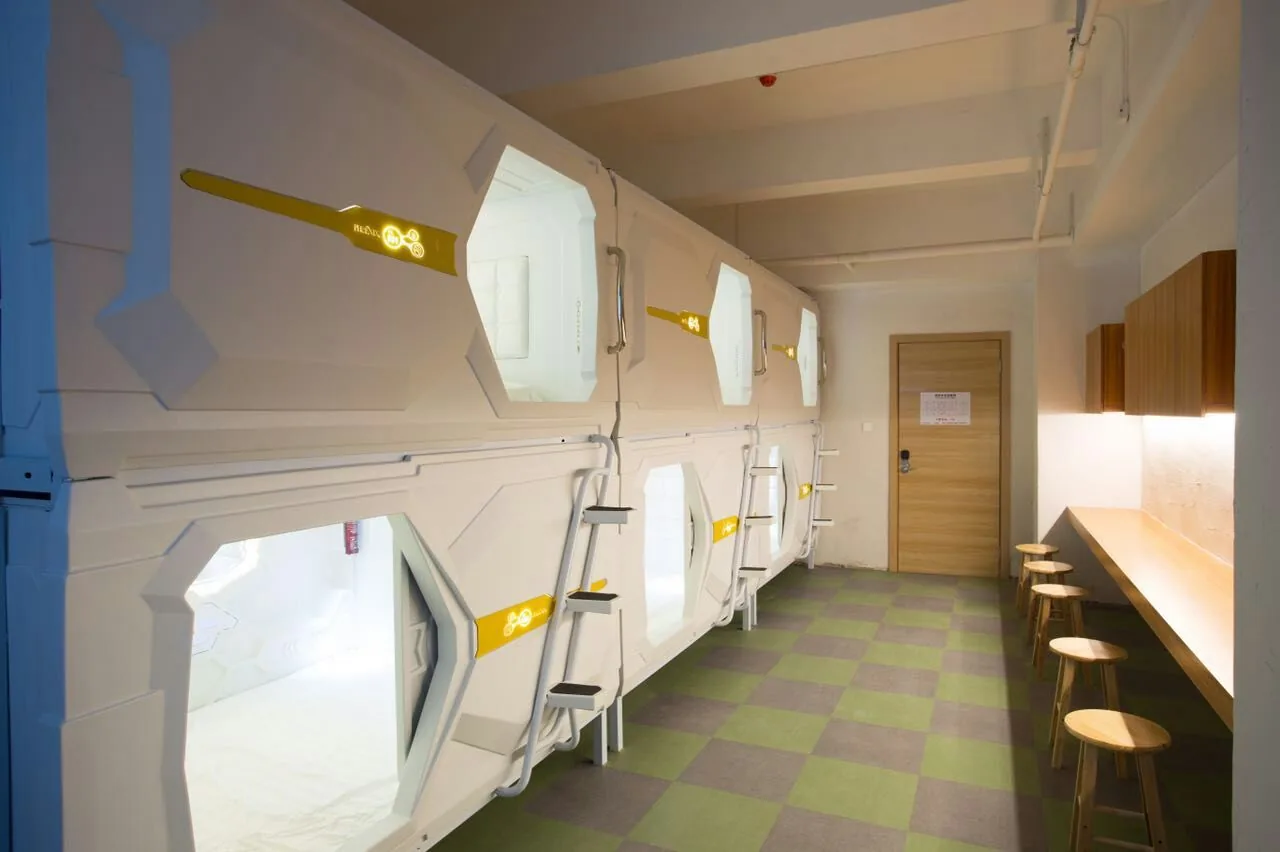
Set the handover boundary before you walk the rooms
The first question is not whether the room looks finished. Your capsule hostel handover checklist should state what the inspection is meant to release. A factory check may show that a selected pod's parts and functions worked before shipment. Site handover confirms that the installed pod, its room connections and its operating instructions match the approved project. A guest-ready check asks whether the operator can safely and consistently sell that specific bed today. Keep these records separate so one signature does not quietly stand for all three.
Use the approved model schedule and drawing revision as your starting point. Give each bed a permanent site identifier that matches the booking system and defect log. Identify who signs for the installer, who accepts for operations, who can close a technical defect and who decides whether inventory may be released. If local authorities or qualified specialists must approve fire, electrical, ventilation, accessibility or sanitation work, their checks remain distinct from this operating checklist.
A practical walk moves from the entrance and shared route to each pod, then back through washrooms, linen storage, reception and the overnight help path. Inspect in normal daytime conditions and again with night lighting. A bright construction lamp can hide a failed bedside light; an empty room can hide a confusing wayfinding route.
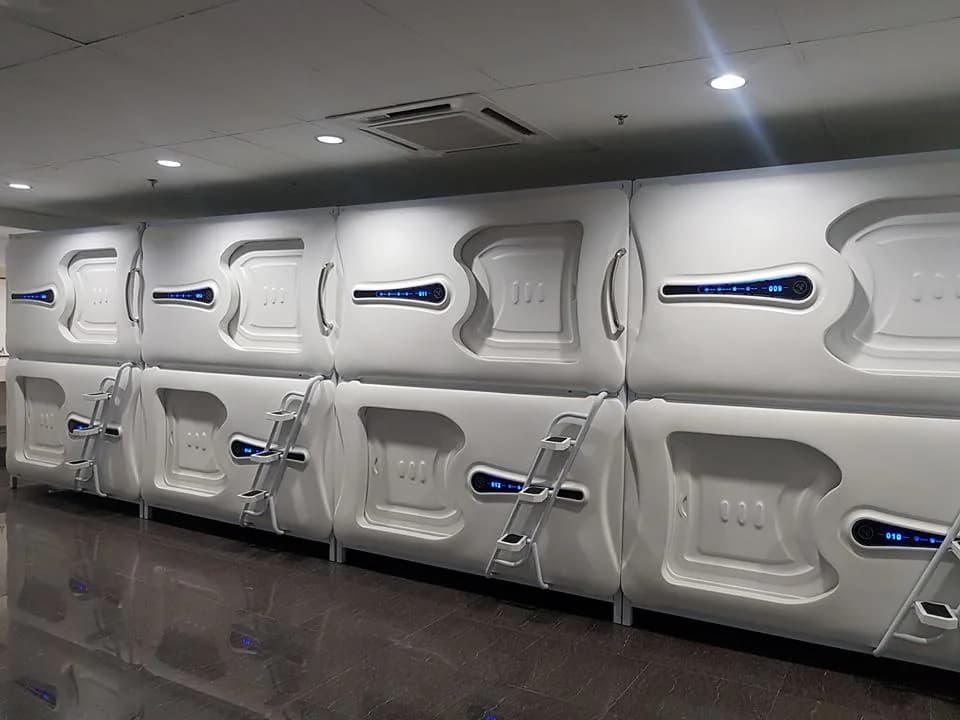
- Record site, room, bed ID, model, configuration and approved drawing revision.
- Name an inspector, repair owner, reinspector and final release authority.
- Keep local approval records and specialist test certificates in their own handover file.
- Block beds in the booking system until the agreed release decision is recorded.
Cleanliness: inspect the guest's first touch, not only the floor
Start with the route a guest will actually use: reception, luggage area, stairs or lift, room entrance, pod entrance, ladder where fitted and bed. Check for construction dust, adhesive residue, packaging fragments and loose fasteners as well as ordinary housekeeping dirt. Run a clean cloth across accessible shelves, controls and entrance edges. Look under the mattress or removable cushion only where the approved cleaning method allows it. Check corners and air openings without pushing debris into the unit.
Confirm that every fitted mattress, protector, pillow and linen item is clean, dry, undamaged and supplied in the agreed quantity. The pod can be spotless while the guest still finds a stained sheet or a forgotten packing label. Note odors separately: a strong cleaning-product smell is not proof of hygiene, and an unexplained odor needs investigation before release. Record which cleaning products and contact times are approved for the installed surfaces. Do not assume one chemical is safe for every shell, coating, fabric and control panel.
Housekeeping needs a repeatable reset, not a one-time opening polish. Ask staff to perform a trial turnover on a representative upper and lower unit. Watch how used linen leaves, where clean linen waits, how waste is carried, whether access panels remain reachable and whether the aisle stays clear. Give the team a short checklist they can repeat at each guest change, with a separate route for spills, suspected pests or damage.
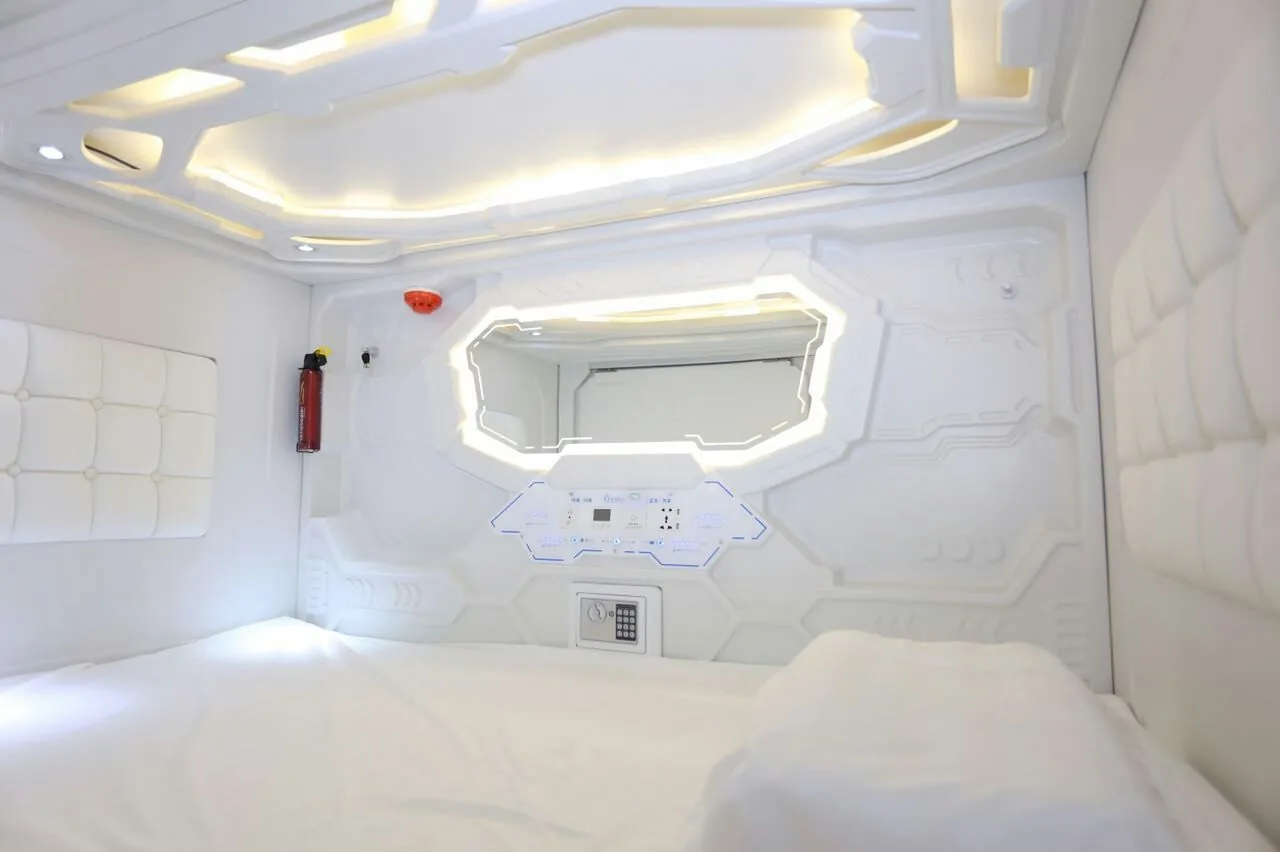
- No construction residue, debris, stains, unexpected odor or loose packing material.
- Linen and mattress items match the approved opening inventory.
- Cleaning instructions and permitted agents are available to housekeeping.
- A trial reset leaves the pod, shared aisle and service area ready for the next guest.
Doors, locks and lights: test the full guest journey
Walk from the main entrance to a specific numbered bed using the same access card, code, key or staff procedure a guest will receive. Open and close each relevant door several times. Check that a pod entrance moves smoothly, stays in its intended position and does not expose sharp edges or loose hardware. Test the fitted lock or privacy device from both sides according to its approved instructions. An electronic feature should also be tried after a normal reset or power interruption where the documented procedure permits. Record the exact configuration tested; not every model has an electronic lock.
A lock check is not complete until staff know how to help a guest who cannot enter or leave. Confirm the documented emergency access procedure, who holds the necessary authority and how a failed unit is taken out of service. Never improvise a lock change or add a latch that may interfere with escape. The building's exit doors, escape lighting and fire systems need their own qualified review under local rules. England's sleeping-accommodation fire guidance, for example, treats clear escape routes and readily openable final exits as fire-safety matters, not cosmetic snagging items.
Then try every fitted light in the state a guest will use: main room lighting, bed light, reading light, step or ladder light and night route. Confirm switches or touch controls respond consistently and that one bed's controls do not unexpectedly operate another. A light may illuminate yet still be unusable because the label is unclear or the control cannot be reached from the sleeping position. Note flicker, damaged covers, exposed wiring and heat or unusual smell immediately; a qualified person should assess electrical concerns.
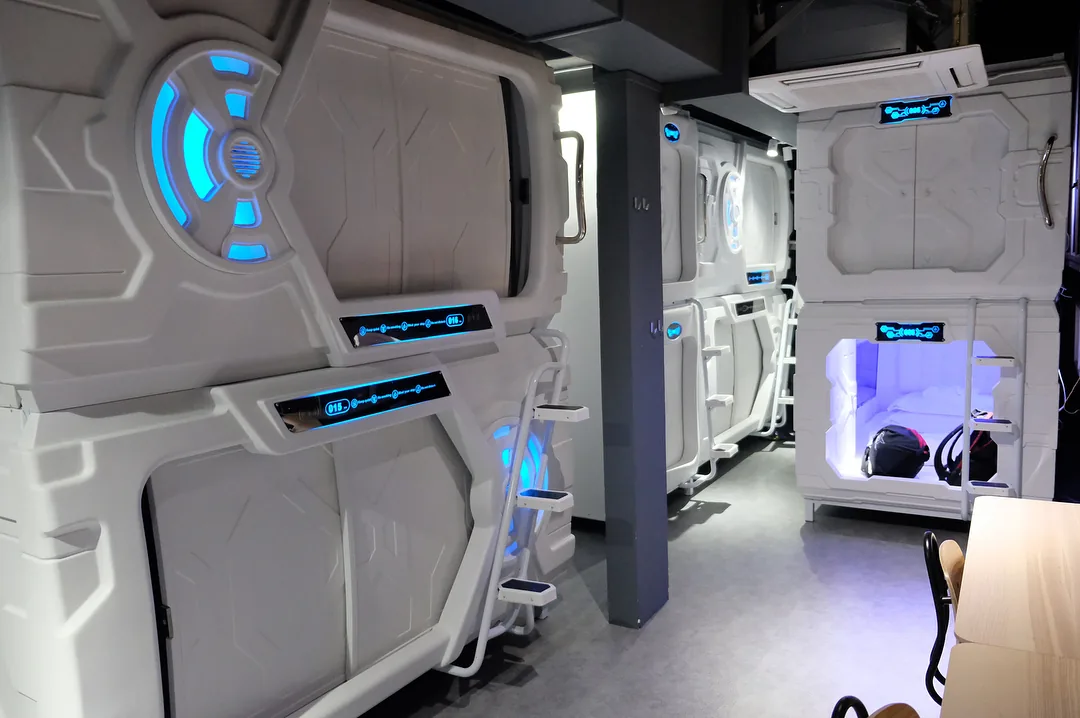
- Door or curtain opens, closes and parks as specified; handle and hardware are secure.
- Fitted lock or privacy device works with the issued guest credential and documented staff procedure.
- Each installed light and control works in both normal and night settings.
- Staff can explain emergency access and escalation without relying on memory alone.
Temperature guidance: tell guests what the controls really do
Temperature is often explained poorly at handover because a room thermostat and a pod fan can look like the same kind of control. They are not interchangeable. The building's heating, cooling and ventilation strategy belongs to the room and its mechanical systems. A fan fitted inside a pod may move air locally, but that does not prove it cools the room, provides a fixed amount of fresh air or lets each guest choose a private temperature. Confirm the installed design with the project's mechanical team, then write guest instructions that describe only the controls present.
Run the room system under a realistic operating condition chosen by the project team. Verify the thermostat or central control responds as designed, that the pod's fitted fan or grille is not blocked, and that guests know whether they may adjust a setting or should contact reception. Avoid promising a particular temperature or airflow figure unless the approved project documents and site tests support it. A short card can say what the controls do, what they do not do, and whom to call if the space feels uncomfortable.
Pay attention to noise and drafts while the lights and fans are on. A function can technically start yet disturb sleep. Inspect upper and lower beds and positions near doors or windows, because they may feel different. Record observations for the mechanical team rather than editing a product claim into the instruction card.
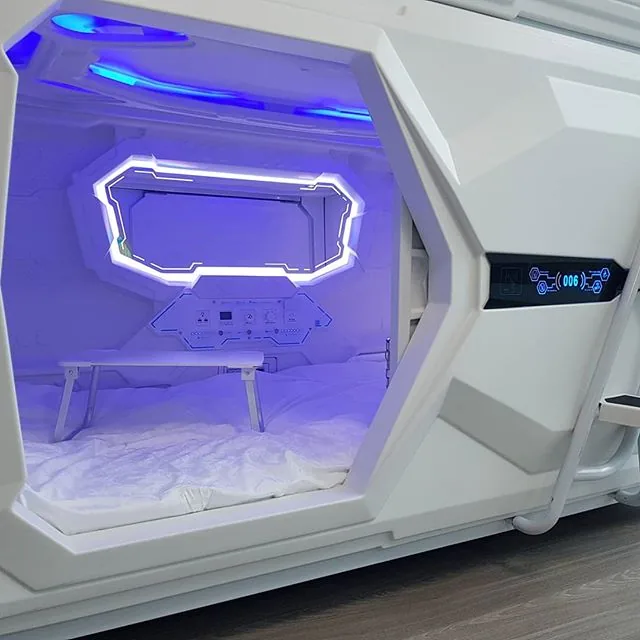
- Label the room thermostat, pod fan and any separate ventilation control accurately.
- Check fitted air openings are clear and accessible for approved cleaning.
- Provide a guest help route for heat, cold, noise or a nonresponsive control.
- Have the mechanical lead sign off any project-specific comfort or airflow statement.
Check the shared spaces that make a bed sellable
A passed pod does not make a passed hostel. Follow a guest with a bag from reception to the assigned bed, toilet, shower, locker, water point and emergency information. Check the route is legible at night and that luggage does not occupy circulation space. Confirm storage capacity and operating rules against the actual site, not a generic sales image. Where upper beds are fitted, inspect ladders, handholds and headroom against the approved design and refer instability to the installer.
The opening team also needs the mundane parts of the system: keys or cards issued and recovered, clean and used linen kept apart, cleaning supplies stored safely, waste collected, lost property handled, and staff available through the hours guests were promised. Test the booking workflow by assigning and then blocking a bed. If the digital status still shows a defective unit as available, the handover has a real gap even though its lamp works.
Walk the route with someone who was not involved in installation. They will notice missing signs, unclear controls and awkward access that the project team has learned to work around. Record these as observable issues, not vague judgments such as 'looks fine.'
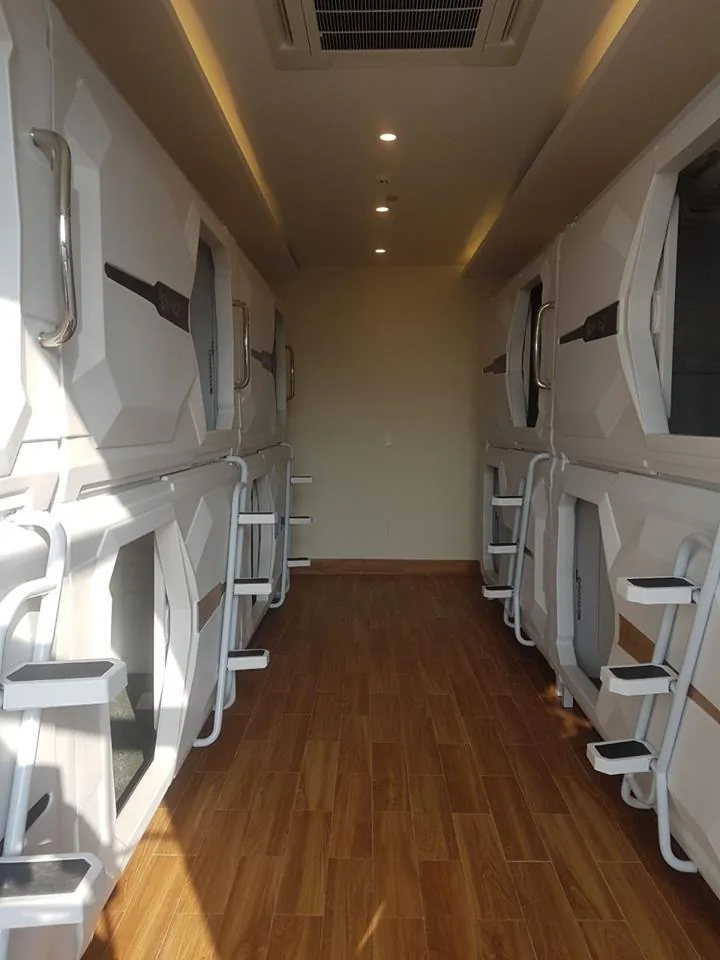
Capsule hostel pre-opening inspection checklist: one sheet per bed
The sheet below is a practical starting point. Adapt it to the ordered model, room design and local requirements. Mark each row Pass, Fail, Not fitted or Not applicable; do not fill a blank cell as a silent pass. Attach a photo only when it helps identify the condition. One row should point to one bed ID, date, inspector and document revision. Shared-room items can sit on a separate room sheet with the same issue numbering.
For a larger site, inspect every guest-facing function on every unit at release. A factory sample or a good first pod does not establish that the last installed pod has the same wiring, adjustment or cleaning state. Specialists should decide the scope and method of any regulated technical test; this checklist is an operating record, not a substitute for those reports.
| Area | What to verify on site | Evidence or action |
|---|---|---|
| Identity | Bed ID, model, installed position and approved drawing match | Record revision and location |
| Cleanliness | Surfaces, entrance, bedding and air openings are clean and undamaged | Note stain, odor or residue by bed ID |
| Door and access | Entrance, handle, fitted lock and staff access procedure work | Record credential and test result |
| Lighting | Each fitted lamp and control works in normal and night use | Record failing switch or light |
| Air and temperature | Room system and fitted pod fan respond; guest guidance is accurate | Name the mechanical reviewer |
| Shared route | Wayfinding, luggage, washroom and overnight help route are usable | Record room-level issue |
| Defects | Open items have owner, deadline, blocked status and retest method | Link to the defect log |
| Release | Repair evidence and independent reinspection are signed | Record release authority and date |
Turn defects into a repair and reinspection loop
A snag list is useful only if it changes the status of the affected bed. Log each defect with a unique number, precise location, symptom, photo when useful, risk or operational effect, responsible party and target date. Separate an observation such as 'light flickers after 20 seconds' from an assumed cause such as 'bad driver.' The installer or qualified technician can diagnose; the operator records what was seen. If a defect may affect safe entry, exit, electrical use, structural stability or hygiene, block the bed while the competent team evaluates it.
After repair, a second person should repeat the failed step under the same relevant conditions and check that the fix has not created a nearby fault. A replaced light needs a light test; a lock adjustment needs normal guest entry plus the documented staff procedure; a cleaning issue needs visual and touchpoint review. Keep the original finding, repair note, replacement part where applicable, before-and-after evidence, retest result and both signatures together. A supplier's message saying 'fixed' is not a completed reinspection.
Set a short rule for exceptions. Some purely cosmetic items may be scheduled after opening if they do not affect the guest promise or agreed acceptance criteria, but that choice needs a named owner and written approval. Do not label a safety, privacy, access, sanitation or critical function fault cosmetic to meet an opening date. Repeated failures deserve a root-cause review across nearby units, not another quick reset.
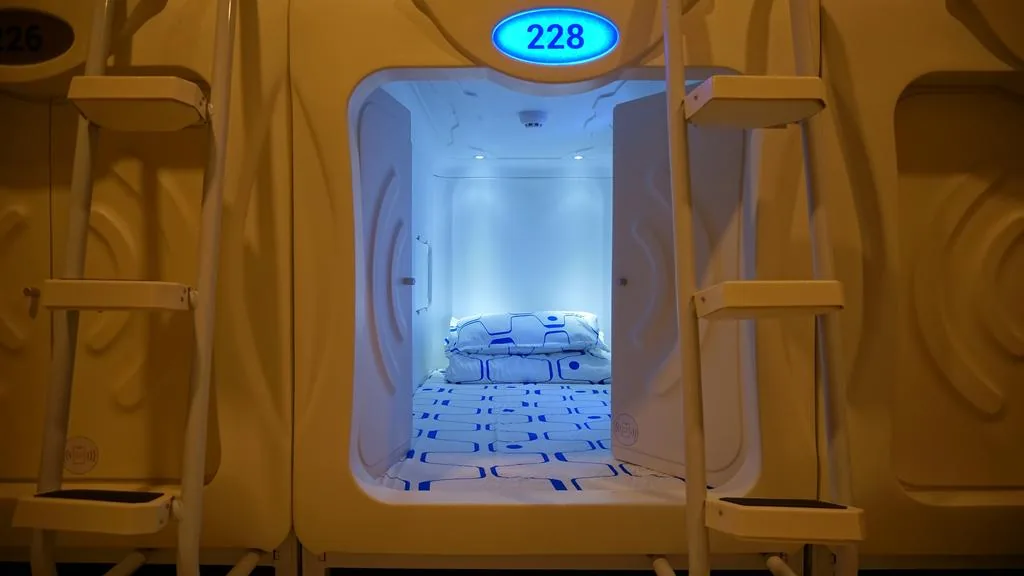
- Open: issue exists and the affected inventory remains blocked where needed.
- Repair in progress: owner and method recorded; no automatic guest release.
- Ready for retest: repair evidence received; inspector repeats the exact failed check.
- Closed: retest passed, record signed, booking status changed by the release authority.
Make the final handover useful after opening day
The best handover file helps a night-shift team solve a real problem months later. Include the final bed register, approved drawings, installed configuration, user and cleaning instructions, component contacts, spare-parts identification, warranty route, service-access notes, training record and closed defect log. Keep supplier information and site-system information linked but distinguish who owns each. The guest-facing card should be shorter: access, lighting, air or temperature controls, help contact and any site-specific rules.
Run one simulated guest arrival and one turnover before releasing the first block of inventory. Ask reception to assign a bed, the guest to find and operate it, housekeeping to reset it, and maintenance to receive a sample fault. This trial reveals whether the documents and roles can actually be used. Record corrections, update instructions and repeat any failed part of the walk. Opening should be based on a visible release record, not the feeling that everyone has already seen the room.
For a GEELYE project, share the room plan, selected model, electrical configuration and operating brief early enough that the product and site teams can agree which functions need demonstration at handover. Final site approvals and guest-release decisions remain with the appropriate local professionals and operator.
Release the bed only when the record is complete
A good pre-opening walk is neither a glossy photo session nor a pass-or-fail ritual. It gives housekeeping, maintenance, reception and the project team the same picture of each bed's condition. Clean the guest touchpoints, test the installed access and lighting, explain the real temperature controls, close defects with evidence and repeat failed checks. Then sign the specific beds that are ready to sell.
If a major item remains open, keep that bed unavailable and give the repair an owner. That small discipline is easier than welcoming the first guest into a unit the team already knew was unfinished.
Related GEELYE resources
Plan the handover around your selected capsule beds
Share your room plan, destination, model shortlist and operating requirements. GEELYE can help clarify product functions and the documents your site team should request.
Frequently asked questions
What should a capsule hostel inspect before opening?
Inspect each identified bed for cleanliness, approved linen, entrance and fitted lock, lighting, controls and visible damage. Check shared routes and guest instructions, log defects, then release only beds with a signed reinspection record.
Is a factory inspection enough for capsule hostel handover?
No. Factory checks cover the supplied configuration before shipment. Site handover checks installation and connections; the operator's guest-ready check covers the actual bed, shared space and operating process. Local specialist approvals are separate again.
How should a capsule bed lock be tested before guests arrive?
Use the issued guest credential or normal access method, test closing and opening as documented, and verify the approved staff assistance procedure. Record the bed ID and configuration. Keep any unit with uncertain access or exit behavior unavailable until a competent person reviews it.
Can a pod fan control the temperature inside a capsule hostel?
A fitted fan may move air locally, but room temperature depends on the building's heating, cooling and ventilation design. Guest guidance should describe the installed controls accurately and provide a help route for discomfort.
When can a repaired capsule bed return to the booking system?
After the responsible person documents the repair, a designated reinspector repeats the failed check and records a pass. The operator's release authority then changes the bed status. A repair message alone is not a completed reinspection.