
1. Name the accommodation guests are buying
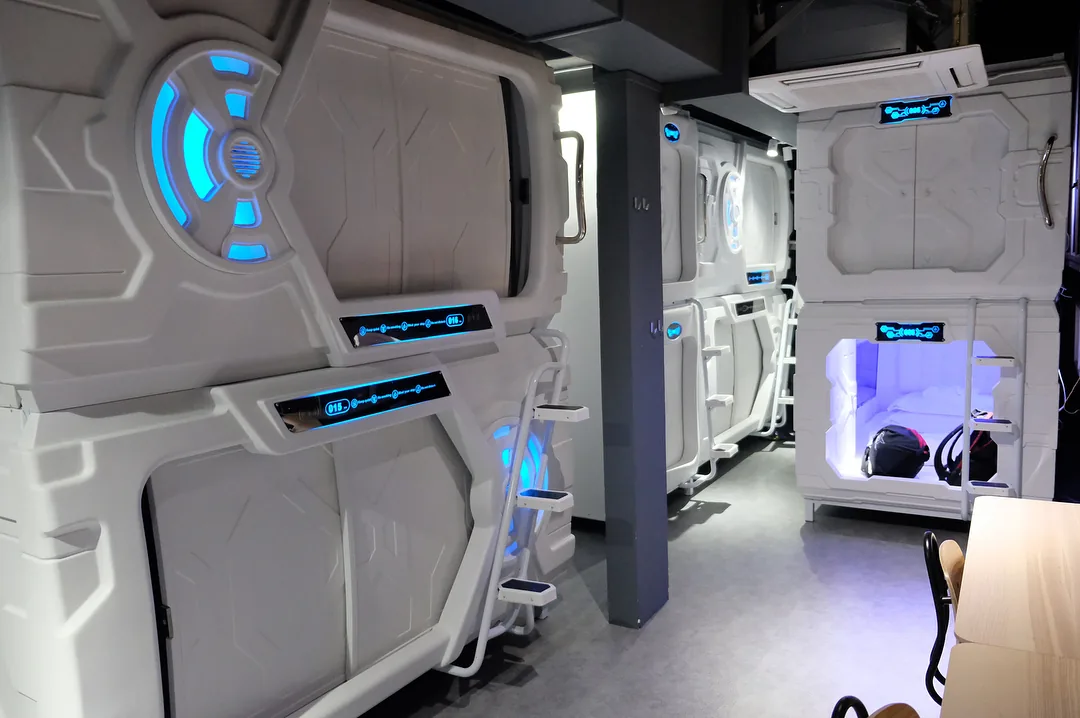
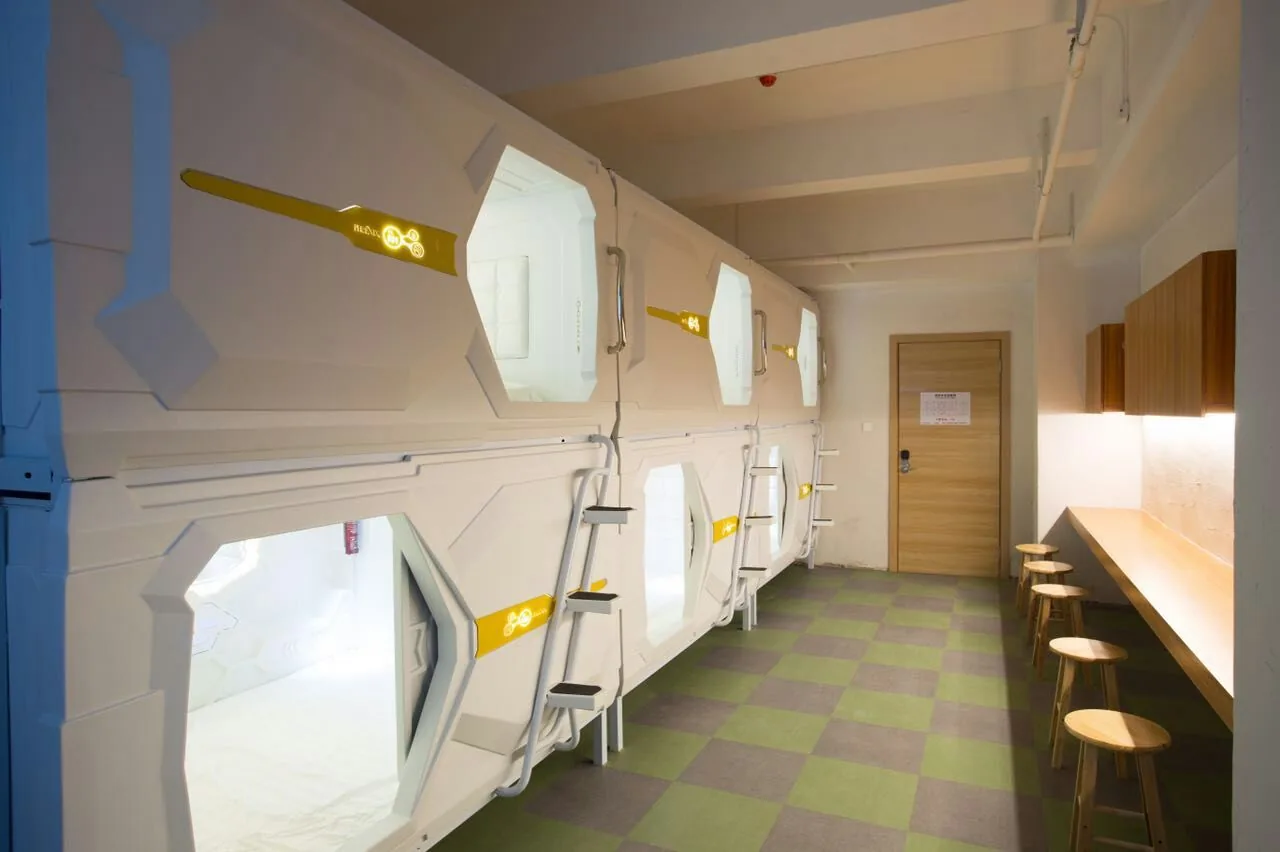
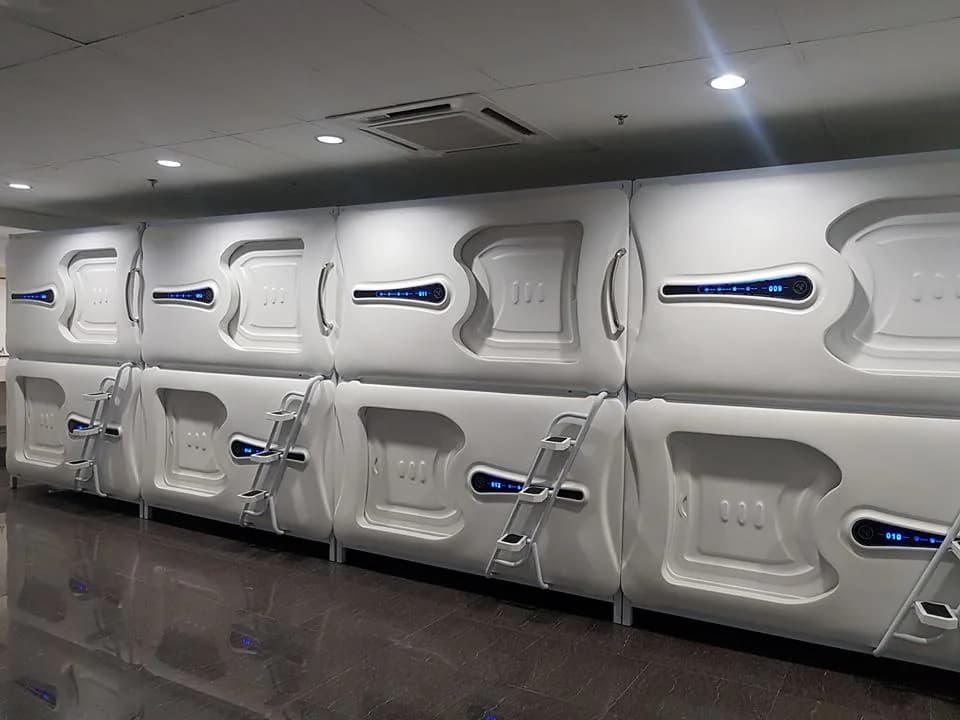
Start with the bed category: a capsule in a mixed or single-gender shared room, a private room containing capsules, or another clearly defined format. Say how many guests may share the room and whether the booked unit is a lower or upper position when that choice is sold separately. Use current photos of the actual room type. A close-up of a closed pod cannot explain the aisle, neighbouring pods, bathroom route or the amount of space available for a suitcase.
State which areas remain shared: the room outside the pod, toilets, showers, changing space, lounge and luggage area. If an accessible bed or step-free route is offered, describe the specific route and facilities rather than treating a ground-level pod as proof that the entire stay is accessible. The guest needs to know what their payment includes, not infer it from a product photograph.
- Room type and occupancy
- Upper or lower berth allocation, if relevant
- Shared bathrooms and changing facilities
- Real room, aisle and storage photos
2. Describe the actual privacy boundary
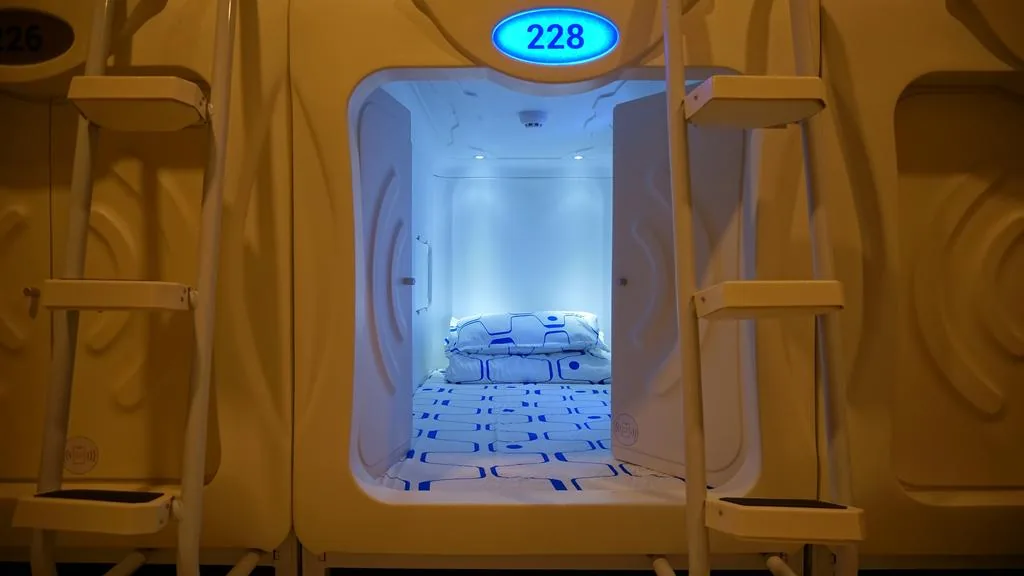
Explain whether the opening has a curtain, a door or another closure, and whether it can be locked from inside. Tell guests what staff may need to do in an emergency and how they can call for help. If doors, lighting or ventilation differ by room or bed type, attach the description to the right booking category. Do not advertise every bed using the best-equipped model in the building.
Visual privacy is not the same as acoustic isolation. Even with a door closed, voices, footsteps, alarms and ventilation can be heard in shared accommodation. Say where guests can change clothes, when quiet hours apply and what happens if someone disturbs the room. Avoid words such as “soundproof” or “completely private” without evidence covering the actual installed room.
- Curtain or door; inside locking method
- Quiet-hours and noise expectations
- Where guests can change privately
- How to reach staff at night
3. Show exactly where small items and suitcases go
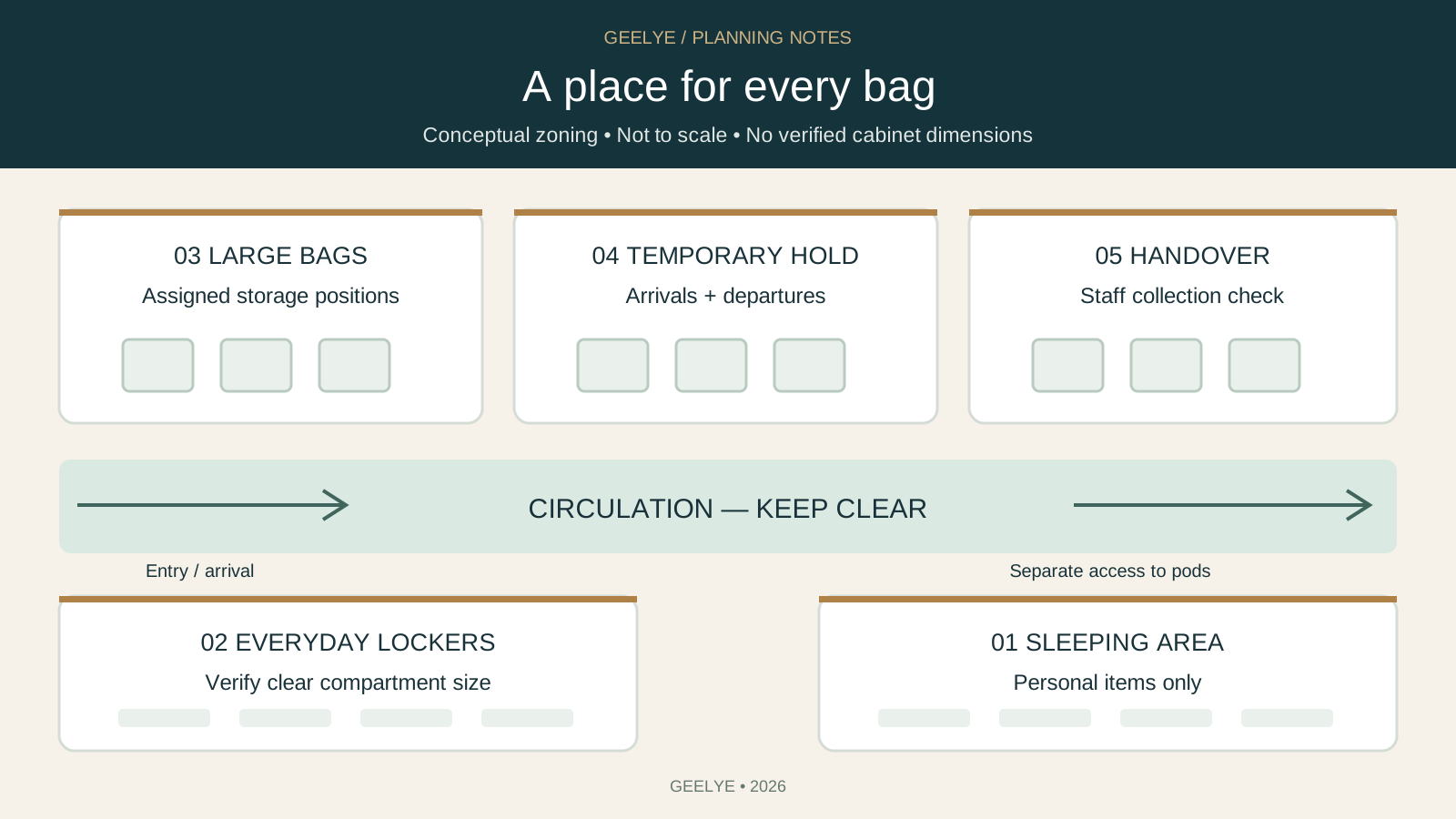
Separate the storage promise into three zones: small items that may fit in the pod, an individual locker if provided, and a managed area for large or temporarily held bags. State whether a typical cabin bag, backpack or checked suitcase fits the specific storage offered. Publish usable internal dimensions and the clear door opening only after measuring the installed cabinet. An external cabinet size or an unverified drawing does not tell a guest whether their case will pass through the door.
Name the locker location and allocation rule. Is one locker included per bed? Does the guest bring a padlock, receive a key, or use an electronic credential? Are valuables accepted, excluded or handled separately? If there is no individual locker, say so plainly and explain the alternative. Keep bags out of exits and aisles; telling guests to leave a suitcase beside their capsule is not a storage plan.
- Storage location for small items, backpacks and large cases
- Measured usable locker dimensions and opening
- Lock type and whether the guest supplies one
- Included locker allocation and any extra charge
4. Explain the time window for every storage service
A bed reservation does not automatically include a place for a bag before check-in or after checkout. List the earliest luggage drop-off time, the latest collection time, whether the service must be booked, where the guest goes on arrival and whether staff are present to accept or release the bag. If reception closes overnight, say how late arrivals and departures work before the guest commits to the reservation.
Describe the handover record and the process for a lost claim ticket. A written reference, bag tag or another traceable method helps staff check who collected what. It does not remove all theft or damage risk. If the hostel cannot take oversized items, sports equipment or food, put those limits in the booking information. Guests can then choose another plan before they travel.
- Before check-in and after checkout availability
- Drop-off and collection hours
- Size or item exclusions
- Collection reference and lost-ticket procedure
5. Put fees and access rules next to the promise
If a locker, padlock, large-bag room, early drop-off or post-checkout storage costs extra, give the price and charging basis before payment. State whether the service is included, optional, limited by capacity or subject to staff approval. For a shared dorm, also explain room-access hours, check-in method, key or code rules and who can assist when access fails. Operational details are part of the product the guest is booking.
Use the same wording on the direct booking page, third-party listings, confirmation message and front-desk instructions. If a facility is temporarily unavailable, update the listing promptly. A guest should not have to compare four conflicting descriptions to understand where a bag will go or whether the pod entrance locks. Review local accommodation, accessibility, privacy and consumer requirements with qualified local advisers before making jurisdiction-specific promises.
- Included services and exact optional fees
- Capacity or reservation limits
- Reception and access hours
- Fallback when a locker or access method fails
6. Publish a one-screen pre-booking summary
Put the decision-making facts beside the bed selection and price, then link to fuller rules. Use a short comparison table when room types differ. Show the actual photos for each category and verify the final page on a phone: the storage and privacy details should be visible before the pay button, not hidden in a distant FAQ. Ask a colleague unfamiliar with the property to read the page and answer: Where do I change? Does my suitcase fit? Can I leave it before check-in? What happens after reception closes? If the answers are not clear, revise the listing.
For operators still designing the property, treat this as a specification test. If the booking page cannot state locker size, baggage flow, closure type, staff hours and exception handling, the physical or operating plan may still be unresolved. GEELYE can review capsule layout and product configuration with the project team; the operator remains responsible for the final guest-facing policy and on-site service.
| Question | What the listing should state |
|---|---|
| Privacy | Room type, pod closure, inside lock and shared areas |
| Luggage | Small-bag, locker and large-case locations; measured fit |
| Timing | Early drop-off and late collection hours |
| Price | Included services and each optional fee |
| Help | Reception hours and failed-access contact |
A clear promise starts before arrival
Capsule privacy and luggage storage are both parts of the guest experience, but neither can be explained by a single product image. Publish the real boundary, the real bag journey, the actual hours and any fees before the guest pays. Then make sure staff, signage and the installed room match the promise.
Review your capsule-hostel layout
Share a measured floor plan, intended room types and your luggage policy with GEELYE. We can discuss capsule placement and configuration alongside the space reserved for lockers, circulation and service.
Frequently asked questions
Is a capsule hostel pod the same as a private room?
Usually no. A pod can provide personal sleeping space inside a shared room. The listing should identify the actual room type, closure and shared facilities.
Should a hostel promise that every suitcase fits inside a capsule?
No. State the storage zone for each bag type and give measured locker fit only for the installed cabinet. Large suitcases may need a separate managed area.
Is luggage storage before check-in included in a capsule booking?
Only if the property explicitly offers it. Publish the hours, capacity or reservation limits and any fee before payment.
What should a hostel say about pod noise and privacy?
Describe the actual curtain or door, locking method, shared room and quiet hours. Do not imply soundproofing or a fully private room without evidence.
What happens if a guest loses a locker key or luggage claim ticket?
Publish how to contact staff and how identity and bag ownership are checked. The operator should document the exception process before opening.